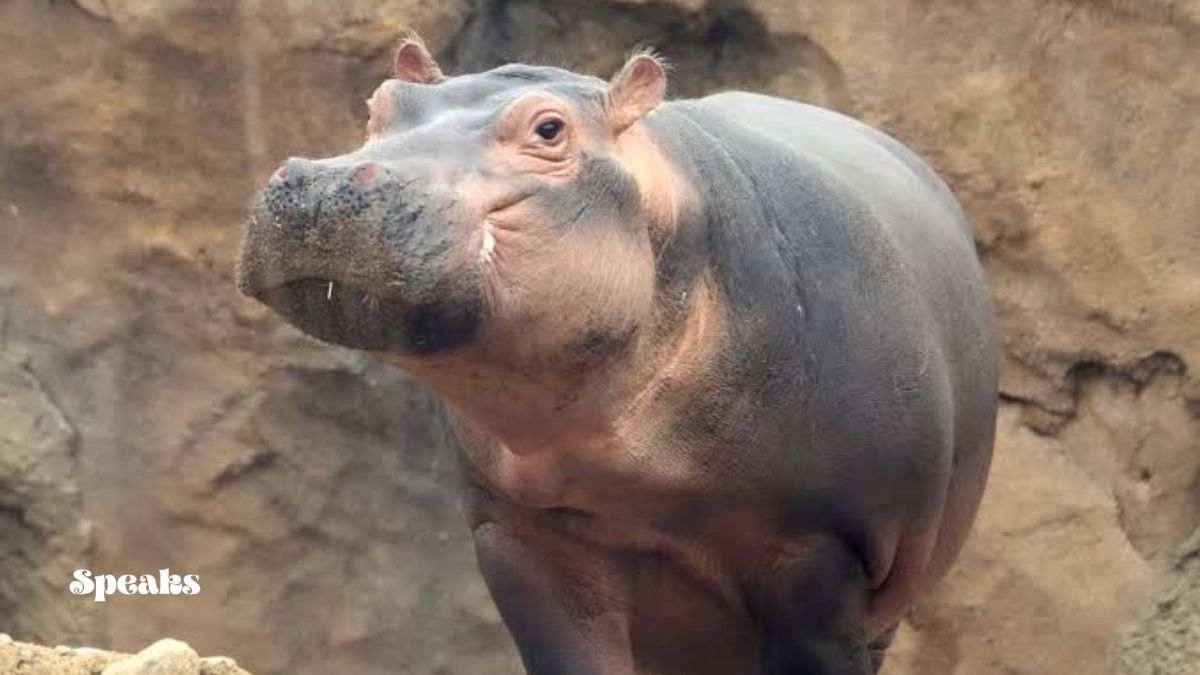
The death of Fiona, the beloved hippopotamus at the Cincinnati Zoo, has triggered an emotional response worldwide, with online mourning increasingly turning into arguments over responsibility.
The nine-year-old Nile hippopotamus died on November 19 after swallowing part of a knitted hat that accidentally entered her enclosure.
Zoo officials explained that the incident began when a child threw a hat near Hippo Cove. The hat reportedly became caught in a ceiling fan before passing through a small opening above the viewing window.
The unusual chain of events sent the hat into the habitat shared by Fiona and other hippos. Fiona eventually swallowed part of the material, which became fatally lodged inside her intestines.
Her veterinary and animal care teams spent several days attempting to help her pass the foreign object. Despite their efforts, Fiona could not recover.
For many people, the loss was particularly painful because Fiona had become an internationally recognized symbol of hope and resilience.
Born six weeks prematurely at the Cincinnati Zoo in January 2017, Fiona overcame significant early health challenges. She became the smallest premature hippopotamus known to have survived under human care.
Her journey attracted millions of followers through social media, television appearances and international news coverage.
However, the circumstances surrounding her death created a different kind of online conversation. Social media users began debating who should be held responsible for the incident.
Some commenters demanded legal consequences for the child’s family, while others called for the child’s identity to be revealed. There were also disturbing posts encouraging harassment and threats.
The controversy intensified because conflicting claims circulated about the child’s age and what happened immediately before the hat entered the enclosure.
Zoo officials confirmed that a child threw the hat but did not publicly establish the child’s age or confirm many of the details circulating online.
A witness, Kevin Blaney, later told ABC News in Cincinnati that the child appeared to be approximately seven years old and was crying after the incident.
The reaction also attracted attention from psychologists studying online behavior. William Brady, an associate professor at Northwestern University’s Kellogg School of Management, explained that people frequently search for someone to blame after shocking tragedies.
He noted that social media algorithms can amplify emotionally charged reactions, allowing extreme opinions to dominate conversations while more balanced perspectives receive less attention.
The online hostility also raised concerns about the potential psychological impact on the child and family involved.
Meanwhile, the Cincinnati Zoo has encouraged visitors and online followers to respond with kindness rather than hostility.
Hippo Cove reopened on Monday with additional safety measures. The zoo installed protective netting over the opening above the viewing windows and removed ceiling fans from the area.
Zoo director Dave Jenike said people process grief differently, sometimes expressing sadness through anger and blame.
He also emphasized that Fiona’s legacy should be remembered through the positive impact she had on people around the world.