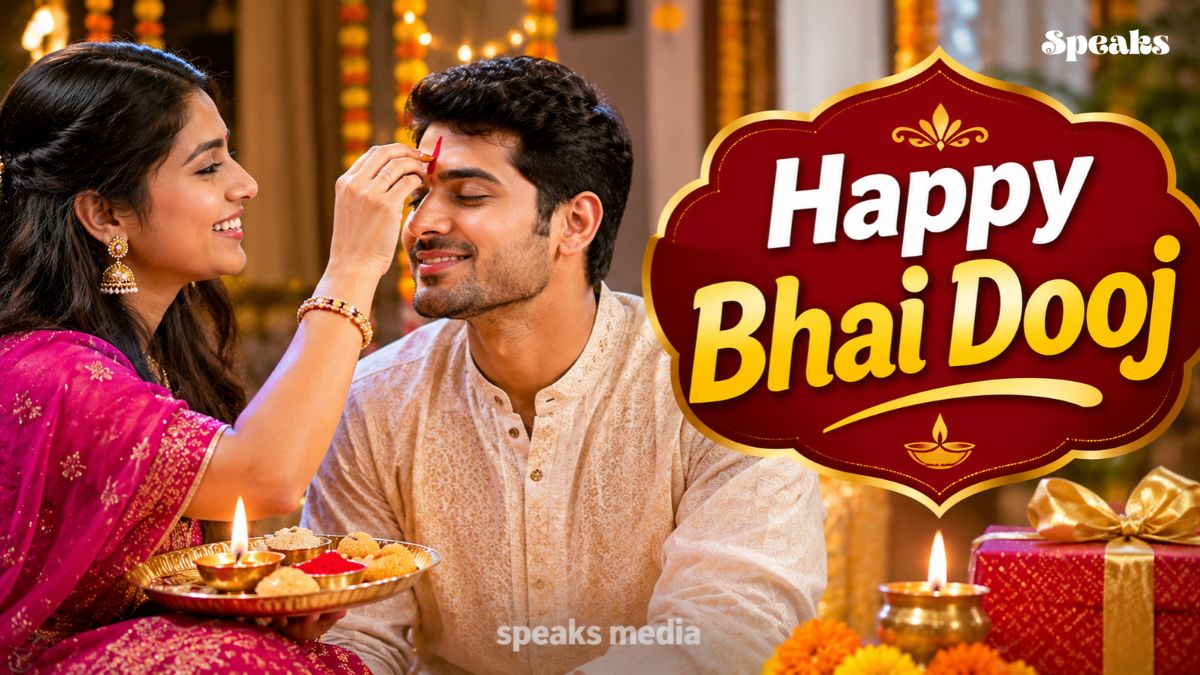
Bhai Dooj 2026 will be celebrated on Wednesday, November 11, bringing brothers and sisters together for one of the most meaningful festivals in the Hindu calendar. This year, the festival has drawn attention because of confusion surrounding its date and the auspicious time for the traditional tilak ceremony.
According to the Hindu Panchang, the Dwitiya Tithi begins on November 10 at 2:00 PM and ends on November 11 at 3:53 PM. Since the second lunar day is present at sunrise on November 11, the festival will be observed on Wednesday under the Udaya Tithi tradition.
There is also an important astrological development this year. Sarvartha Siddhi Yog will occur on the morning of November 11, offering an additional auspicious period for families planning the traditional Bhai Dooj rituals.
Bhai Dooj 2026 Date and Dwitiya Tithi Timings
Bhai Dooj is celebrated on the second day of Shukla Paksha during the Hindu month of Kartik. It follows Diwali and marks the traditional end of the five-day Diwali festival.
The timing of Dwitiya Tithi is particularly important when determining the festival date. In 2026, the lunar date starts on Tuesday afternoon and continues into Wednesday afternoon.
Based on the Udaya Tithi calculation, November 11 has been identified as the festival date. Sisters and brothers can plan their celebrations accordingly.
The important Panchang details are:
- Festival: Bhai Dooj 2026
- Date: Wednesday, November 11, 2026
- Dwitiya Tithi Begins: November 10 at 2:00 PM
- Dwitiya Tithi Ends: November 11 at 3:53 PM
- Sarvartha Siddhi Yog: 6:40 AM to 11:38 AM
- Afternoon Tilak Muhurat: 1:10 PM to 3:20 PM
Bhai Dooj 2026 Shubh Muhurat for Tilak
The tilak ceremony is the central ritual of Bhai Dooj. Sisters apply a traditional tilak to their brothers’ foreheads and pray for their health, happiness, long life and prosperity.
According to astrologer Dr. Arunesh Kumar Sharma, the morning of November 11 will also offer an auspicious opportunity for performing the ceremony.
Sarvartha Siddhi Yog is expected to begin at 6:40 AM and continue until 11:38 AM. This period is considered favorable for religious activities and auspicious beginnings in Hindu astrology.
Another commonly cited tilak window is from 1:10 PM to 3:20 PM. Families following the afternoon Aparahna Muhurat can plan their ceremony during this period.
The availability of both morning and afternoon windows gives families flexibility when arranging the traditional celebrations. However, Panchang timings can vary according to geographical location, so checking local timings is advisable.
What Is Sarvartha Siddhi Yog and Why Is It Important?
Sarvartha Siddhi Yog is considered an auspicious combination in Hindu astrology. The term broadly refers to a period believed to support the successful completion of important activities.
Many devotees prefer performing religious ceremonies, prayers, purchases and other auspicious activities during this period.
On Bhai Dooj, the morning occurrence of this yog is particularly relevant for families who prefer completing the tilak ceremony early in the day.
According to the Panchang details reported for November 11, the yog will remain active from 6:40 AM until 11:38 AM.
Bhai Dooj Puja Items Required for the Tilak Ceremony
Preparing the puja thali is an important part of Bhai Dooj celebrations. Traditionally, sisters arrange the necessary religious items before inviting their brothers for the ceremony.
The puja thali may include:
- Roli or kumkum for applying tilak
- Akshat, or unbroken rice grains
- Sandalwood paste
- Sindoor
- Flowers and flower garlands
- A diya for the aarti
- Sweets and fruits
- Coconut
- Betel leaves and supari
- Kalawa or sacred thread
- Durva grass
- Batasha and other traditional offerings
- A silver coin, according to family tradition
The exact items can differ depending on regional customs and family traditions. Some households also include additional offerings as part of their customary worship.
Bhai Dooj 2026 Puja Vidhi: How Sisters Perform the Ritual
Bhai Dooj celebrations traditionally begin with an early morning bath and prayers. Sisters clean the puja area, prepare the thali and arrange a suitable place for their brothers to sit during the ceremony.
A traditional chowk is prepared using rice or a rice-based mixture. The brother is invited to sit at the designated place before the tilak ritual begins.
At the auspicious time, the sister applies roli or kumkum to her brother’s forehead and places akshat over the tilak. She then offers him a coconut and other traditional items.
The sister performs the aarti and offers sweets, praying for her brother’s long life, good health and prosperity. The brother accepts the blessings and gives his sister a gift as a symbol of affection.
Many families also follow the custom of exchanging promises of support and care. The ceremony represents the emotional connection between siblings and their commitment to standing by each other.
Why Is Bhai Dooj Celebrated? The Story of Yamuna and Lord Yama
Bhai Dooj is also known as Yama Dwitiya because of its association with Lord Yama, the Hindu deity of death, and his sister Yamuna.
According to Hindu mythology, Yamuna invited her brother Yama to her home and welcomed him with affection. She performed a traditional tilak ceremony and prepared a meal for him.
Yama was pleased with the hospitality and love shown by his sister. He blessed her and granted a boon associated with the well-being and long life of brothers who visit their sisters on this occasion.
This story is traditionally associated with the significance of Bhai Dooj. It explains why sisters pray for their brothers’ well-being and why the festival is celebrated as a symbol of sibling affection.
Bhai Dooj Celebrations Across India
Although the central message remains the same, Bhai Dooj is celebrated under different names and customs across India.
In Maharashtra, Goa and parts of western India, the festival is popularly known as Bhau Beej. Sisters perform the tilak ceremony and pray for their brothers’ prosperity.
In West Bengal, the occasion is called Bhai Phonta. Sisters apply a ceremonial mark on their brothers’ foreheads and offer prayers for their well-being.
In Nepal, a similar celebration is known as Bhai Tika and is observed during the Tihar festival. The ceremony is known for its traditional rituals and colorful tilak.
These regional celebrations reflect the cultural importance of the brother-sister relationship throughout the Indian subcontinent.
Bhai Dooj 2026 Important Things to Know Before the Celebration
Families planning the festival should pay attention to the Dwitiya Tithi and the locally applicable tilak timings.
Those who prefer morning rituals can consider the reported Sarvartha Siddhi Yog period from 6:40 AM to 11:38 AM. Families following the afternoon muhurat can consider the 1:10 PM to 3:20 PM window.
The puja thali should be prepared in advance so that the ceremony can be performed without interruption. Sisters can also follow their household traditions while arranging the offerings.
Since auspicious timings may differ between cities, devotees should verify the applicable local Panchang before beginning the ceremony.