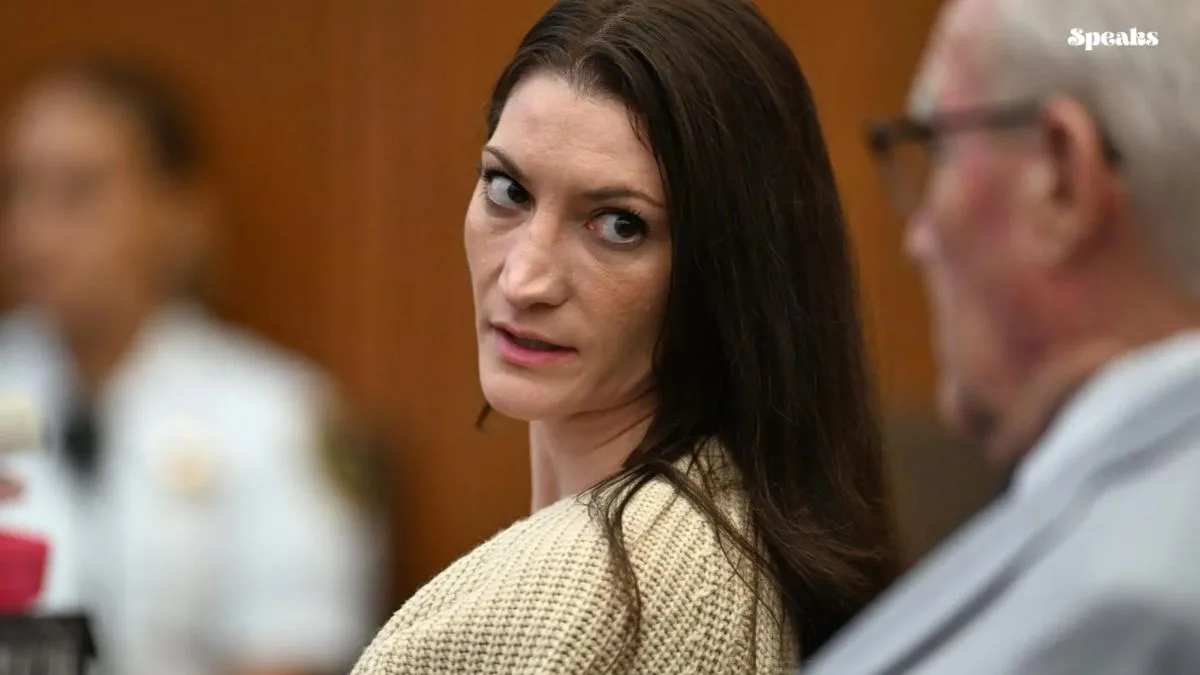
The Lindsay Clancy trial is back in the spotlight as a Massachusetts judge prepares to address the timeline for a possible retrial in the deaths of her three young children. Clancy is scheduled to return to Plymouth Superior Court on November 16, 2026.
The latest hearing comes after her first murder trial ended in a mistrial in September, when jurors failed to reach a unanimous verdict following several days of deliberations.
Judge William Sullivan has previously indicated that March 2027 could be a realistic target for a new trial. Prosecutors are also expected to clarify how they intend to proceed with the case, including whether they will pursue the original first-degree murder charges.
Lindsay Clancy Trial: What Is Happening in Court on November 16?
The November 16 hearing is expected to focus on scheduling the next stage of the criminal proceedings against Clancy.
Judge William Sullivan previously expressed a preference for beginning a potential retrial in March 2027, although no final date had been established ahead of the latest court appearance.
The judge also wants the case to move forward without unnecessary delays. His upcoming retirement is another factor influencing the proposed timeline.
Clancy’s defense attorney, Kevin Reddington, has also expressed support for holding another trial in the spring rather than allowing the case to remain unresolved for an extended period.
Why Did the First Lindsay Clancy Trial End in a Mistrial?
Clancy’s first trial ended on September 4, 2026, after jurors were unable to reach a unanimous decision on the murder charges.
The jury reportedly remained divided 11-1 after seven days of deliberations. Eleven jurors favored finding Clancy not guilty by reason of insanity, while one juror disagreed.
Because the jury could not reach the required unanimous verdict, Judge Sullivan declared a mistrial.
The decision did not clear Clancy of the charges. It left the prosecution with the option of pursuing another trial, subject to further court proceedings.
The jury deadlock became a major issue in subsequent hearings, with the defense questioning the conduct of the lone holdout juror.
Will Prosecutors Pursue the Same Murder Charges?
One of the biggest unanswered questions surrounding the next Lindsay Clancy trial concerns the charges prosecutors intend to pursue.
Clancy originally faced three counts of first-degree murder in connection with the January 2023 deaths of her children. Prosecutors have indicated that they intend to pursue another trial but had not publicly finalized the charges ahead of the November 16 hearing.
The available options could include maintaining the first-degree murder charges or pursuing lesser offenses, depending on the prosecution’s assessment of the evidence and legal issues.
The distinction could significantly affect the next proceedings. First-degree murder requires a jury trial in Massachusetts, while certain lesser charges could allow a judge-only trial if the defendant requests one.
Prosecutors have not publicly confirmed a final charging strategy.
Judge Rejects Lindsay Clancy’s Double Jeopardy Argument
A major development came on November 9, when Judge William Sullivan rejected Clancy’s request to dismiss the murder charges on double jeopardy grounds.
Her defense argued that the circumstances surrounding the first trial’s deadlock did not justify allowing prosecutors to bring the case again.
The judge disagreed, ruling that the jury’s inability to reach a unanimous verdict created a legal necessity for declaring a mistrial.
He concluded that another prosecution would not violate Clancy’s constitutional protection against being tried twice for the same offense.
The ruling cleared an important legal obstacle to a potential retrial. However, Clancy’s defense team has indicated that it plans to appeal the decision.
What Happened to Lindsay Clancy’s Three Children?
The criminal case stems from the deaths of Clancy’s three children at the family’s home in Duxbury, Massachusetts, on January 24, 2023.
The children were identified as Cora, 5, Dawson, 3, and Callan, who was eight months old. The two older children died, while the youngest later died from his injuries.
Clancy was charged with three counts of murder. She survived a suicide attempt following the incident but suffered injuries that left her paralyzed from the waist down.
The case attracted national attention because of the children’s ages, the circumstances of the deaths and the mental health defense raised during the proceedings.
Lindsay Clancy’s Defense: Postpartum Psychosis and Mental Health
A central issue in the case has been Clancy’s mental state at the time of the killings.
Her defense team has argued that she was experiencing postpartum psychosis and was not criminally responsible for her actions.
Postpartum psychosis is a serious psychiatric condition that can involve hallucinations, delusions and significant changes in a person’s perception of reality. It requires urgent medical attention.
Clancy’s attorneys have maintained that her mental condition affected her ability to understand or control her actions in January 2023.
Prosecutors, however, have argued that the killings were deliberate and that Clancy understood the nature of her actions.
The competing arguments over her mental state are expected to remain central if the case proceeds to another trial.
What Happens If Lindsay Clancy Faces a Second Trial?
A retrial would give prosecutors another opportunity to present their case against Clancy, while the defense could again argue that she was not criminally responsible because of her psychiatric condition.
The prosecution will also need to determine which charges it believes are appropriate and how it intends to address the issues that emerged during the first trial.
A new trial could involve testimony from medical experts, investigators and other witnesses. The defense may also present additional evidence concerning Clancy’s mental health and treatment history.
The final structure of the proceedings will depend on the charges, court rulings and decisions made by both legal teams.
Why the Lindsay Clancy Case Continues to Draw National Attention
The case has become one of Massachusetts’ most closely watched criminal proceedings because it involves questions about criminal responsibility, psychiatric illness and the legal treatment of postpartum mental health conditions.
The first trial’s 11-1 jury split also created significant interest in how a second prosecution might unfold.
Legal observers will be watching whether prosecutors retain the original charges, whether the defense pursues further appeals and whether the court establishes a firm trial schedule.
The November 16 hearing represents another important stage in a case that has remained unresolved since the September mistrial.