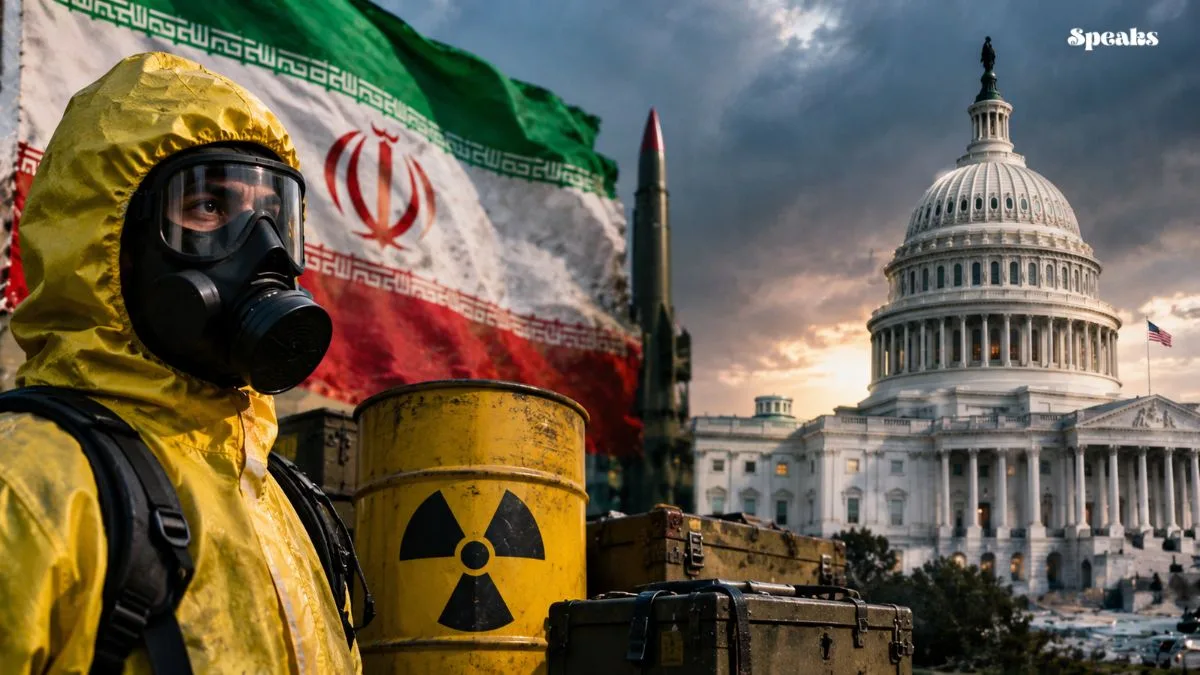
U.S. intelligence agencies have identified information suggesting that Iran is developing contingency plans for a potential attack against senior Trump administration officials in Washington, DC, involving a radioactive device or chemical weapons, according to a CNN report published November 16.
The intelligence, which cites seven U.S. officials familiar with the matter, has triggered discussions among American officials about possible security responses. However, the reported planning does not establish that an attack is imminent or that Tehran has decided to carry it out.
The White House has acknowledged that it is monitoring potential threats but has publicly said there are currently no credible threats to the U.S. homeland.
Dirty Bomb Threat: What US Intelligence Has Reportedly Discovered
According to CNN’s reporting, U.S. intelligence has identified Iranian planning that could involve targeting senior officials in Washington using a so-called dirty bomb or a chemical weapon.
Two officials familiar with the intelligence said the information included specific locations and potential targets. The findings prompted several meetings during the previous week to discuss possible responses and security preparations.
Officials reportedly described the activity as an effort by Iran to preserve additional options rather than evidence of an imminent operation.
One intelligence source also questioned whether Iran had the personnel necessary to execute such an attack. That uncertainty remains an important part of the assessment.
The reported intelligence has raised concerns within the U.S. national security community as tensions between Washington and Tehran continue.
White House Responds to the Reported Iran Threat
The White House said the administration was monitoring the situation and assessing potential security concerns.
Spokesperson Lauren Bis said the United States was monitoring all possible threats but emphasized that there were no credible threats to the homeland at the time of the statement.
The response provides important context to the intelligence report. While officials are taking the information seriously enough to consider contingency measures, the administration has not publicly confirmed an imminent attack.
The Office of the Director of National Intelligence did not publicly comment on the specific intelligence described in the report.
What Is a Dirty Bomb and How Is It Different From a Nuclear Weapon?
A dirty bomb is a radiological dispersal device that combines conventional explosives with radioactive material. Its purpose is to spread radioactive contamination rather than produce a nuclear explosion.
Unlike an atomic bomb, a dirty bomb does not rely on a nuclear chain reaction. Its conventional explosive component creates the blast, while radioactive material can contaminate the surrounding area.
The potential consequences depend on several factors, including the radioactive material involved, the location and the circumstances of an incident.
A dirty bomb is generally considered a weapon of disruption and terror. Beyond the immediate explosion, contamination concerns could lead to evacuations, emergency response operations and prolonged restrictions in affected areas.
The possibility of radioactive contamination can also generate widespread public anxiety, even when the physical impact is more limited than that of a nuclear weapon.
US Officials Debate Whether Iran Could Carry Out an Attack
One of the central uncertainties surrounding the intelligence is whether Iran has the operational capability to turn the reported planning into an actual attack.
CNN’s sources said American officials were divided over whether Tehran had personnel in place to execute the reported scenarios.
The intelligence reportedly included communications suggesting that materials associated with a potential attack may have been stored inside the United States. However, officials disagreed over the credibility of those claims.
The distinction between intelligence indicating possible preparations and verified evidence of an active operational plot remains significant.
American authorities are therefore considering potential responses while assessing the reliability of the information and the level of risk.
Iran’s UN Mission Rejects Chemical Weapons Allegations
Iran’s diplomatic mission to the United Nations rejected allegations involving chemical weapons.
In its response, Tehran said it considered the use of chemical weapons under any circumstances illegitimate and described the accusations as false and fabricated.
The statement directly addressed the chemical weapons allegations but did not specifically establish or resolve the separate claims concerning a possible radiological device.
The reported intelligence has not been independently confirmed through publicly released evidence, and Iran has not publicly acknowledged the alleged Washington attack planning.
Scott Bessent Reportedly Moved to Military Housing After Security Concerns
The intelligence report also comes amid heightened security concerns involving senior members of the Trump administration.
According to CNN, Treasury Secretary Scott Bessent was moved into military housing the previous week following threats linked to Iran.
The development highlights the wider security challenges facing American officials as tensions with Tehran continue.
Iranian threats against current and former U.S. officials have been a concern for American authorities for several years, including during Trump’s first administration.
The latest intelligence has added another dimension to those concerns by reportedly identifying potential scenarios involving targets inside the U.S. capital.
Iran-US Conflict Raises Concerns About Security Inside the United States
The reported threat has emerged as the United States continues its military campaign against Iran and diplomatic efforts to end the conflict remain uncertain.
American intelligence officials are also monitoring separate information suggesting that Iran could consider chemical weapons against U.S. troops stationed in the Middle East.
Those concerns involve a different potential threat from the reported Washington scenarios and have prompted additional attention to the protection of American personnel.
President Donald Trump previously indicated that the conflict could end relatively soon, but diplomatic negotiations have continued against a backdrop of military pressure and economic restrictions.
The latest intelligence has increased pressure on U.S. officials to assess possible threats beyond the immediate conflict zone.
Why the Dirty Bomb Report Matters for US National Security
A potential radiological attack would create challenges extending beyond the immediate security of government officials.
Emergency responders would need to assess possible contamination, protect the public and determine whether affected locations could safely reopen. Government agencies would also have to coordinate public communication and any necessary protective measures.
However, the reported intelligence should not be interpreted as confirmation that Washington faces an imminent radiological attack.
The White House’s public statement that there are currently no credible threats to the homeland remains a critical part of the developing story.
U.S. officials continue to assess the reported intelligence as tensions with Iran remain high.