Americans can revisit one of the most consequential days in U.S. history through original television news reports documenting the assassination of President John F. Kennedy. The historic broadcasts capture the confusion, urgency and national shock that followed the shooting in Dallas on November 22, 1963.
As the United States marks the 63rd anniversary of Kennedy’s assassination on Sunday, November 22, 2026, archival news coverage is bringing renewed attention to the events that changed the country’s political history. The original recordings offer a direct look at how journalists reported the tragedy as developments unfolded.
WFAA is highlighting its historical coverage, allowing viewers to watch original reports from the day Kennedy was shot. The material includes early news bulletins and reporting from the Dallas television station that was operating close to the presidential motorcade route.
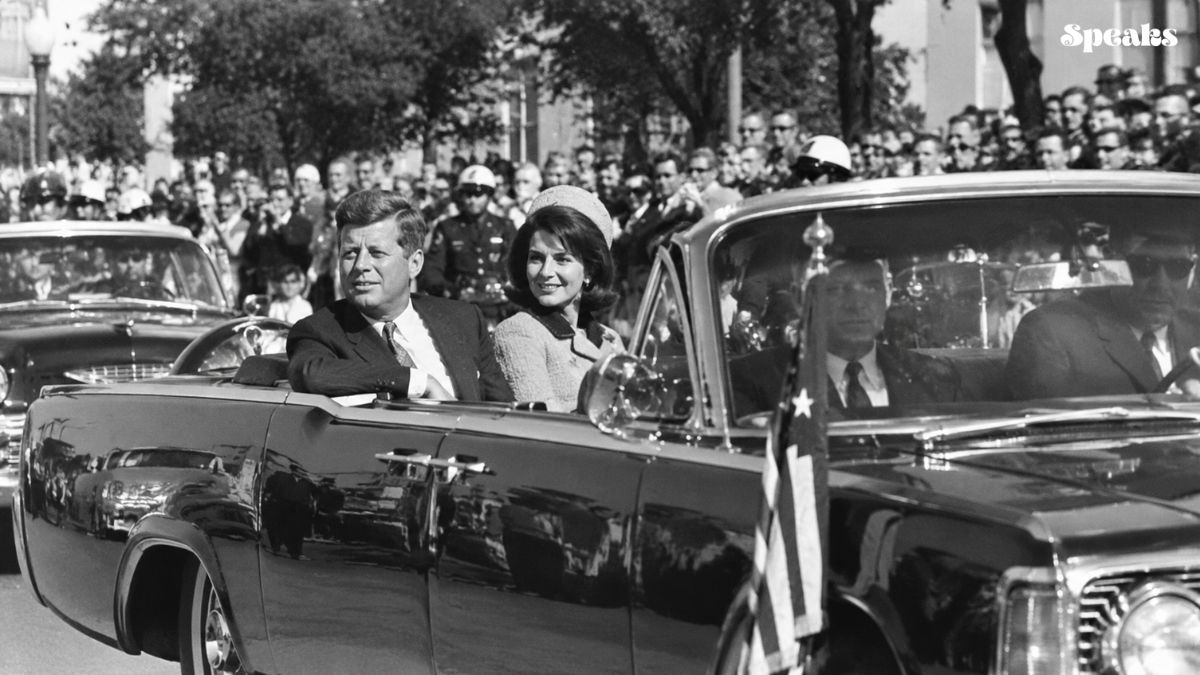
Kennedy was traveling through downtown Dallas in an open-top presidential limousine when gunshots were fired in Dealey Plaza. He was taken to Parkland Memorial Hospital, where doctors attempted to save his life. His death was officially announced that afternoon.
The reporting from WFAA holds particular historical importance because the station was among the first local broadcasters to report the shooting. Its studios were located approximately two blocks from Dealey Plaza, giving its journalists an unusually close connection to the unfolding events.
According to historical records maintained by The Sixth Floor Museum at Dealey Plaza, WFAA program director Jay Watson interrupted a regular television program approximately 15 minutes after the shots were fired. Watson had witnessed the events and subsequently brought eyewitnesses to the station for interviews.
Those early interviews helped establish the first accounts of what people had seen and heard in the plaza. The broadcasts also documented the rapidly changing information available to journalists during the immediate aftermath of the shooting.
The recordings became an important part of America’s television news history. At a time when live television coverage was far less developed than it is today, broadcasters faced the challenge of reporting a presidential assassination while information was still emerging.
Original JFK Assassination Footage Nearly Disappeared
The preservation of WFAA’s historical recordings was not guaranteed. During the early 1980s, television stations commonly reused or discarded older videotapes to reduce storage costs and make room for new programming.
A WFAA employee named John Sparks recognized the importance of the Kennedy coverage after discovering that the station’s recordings had been marked for disposal. He intervened to save the tapes, preserving material that might otherwise have been permanently lost.
The collection was eventually donated to The Sixth Floor Museum at Dealey Plaza in 1998. The museum now maintains an extensive archive of broadcast material documenting the assassination and its aftermath.
Its broadcast news collection contains more than 220 hours of professional news footage, including video, film and audio from WFAA-TV and other Dallas television stations. The material provides historians, researchers and members of the public with an opportunity to examine contemporary reporting from the period.
Why the 1963 Broadcasts Still Matter
The original television reports provide more than a historical account of Kennedy’s death. They show how American journalists handled an extraordinary national emergency, communicated breaking developments and interviewed people who witnessed the events firsthand.
The assassination also transformed the American presidency and the country’s political landscape. Vice President Lyndon B. Johnson was sworn in as the 36th president aboard Air Force One later that day, before the aircraft departed Dallas for Washington.
Two days after Kennedy’s death, Lee Harvey Oswald, the man accused of killing the president, was shot and killed by Jack Ruby while being transferred in police custody. The incident was broadcast on live television, adding another dramatic moment to an already traumatic weekend.
More than six decades later, original footage remains an important resource for understanding how the tragedy unfolded and how the country received the news. WFAA’s archival coverage gives viewers an opportunity to revisit the reporting that Americans first encountered in November 1963.