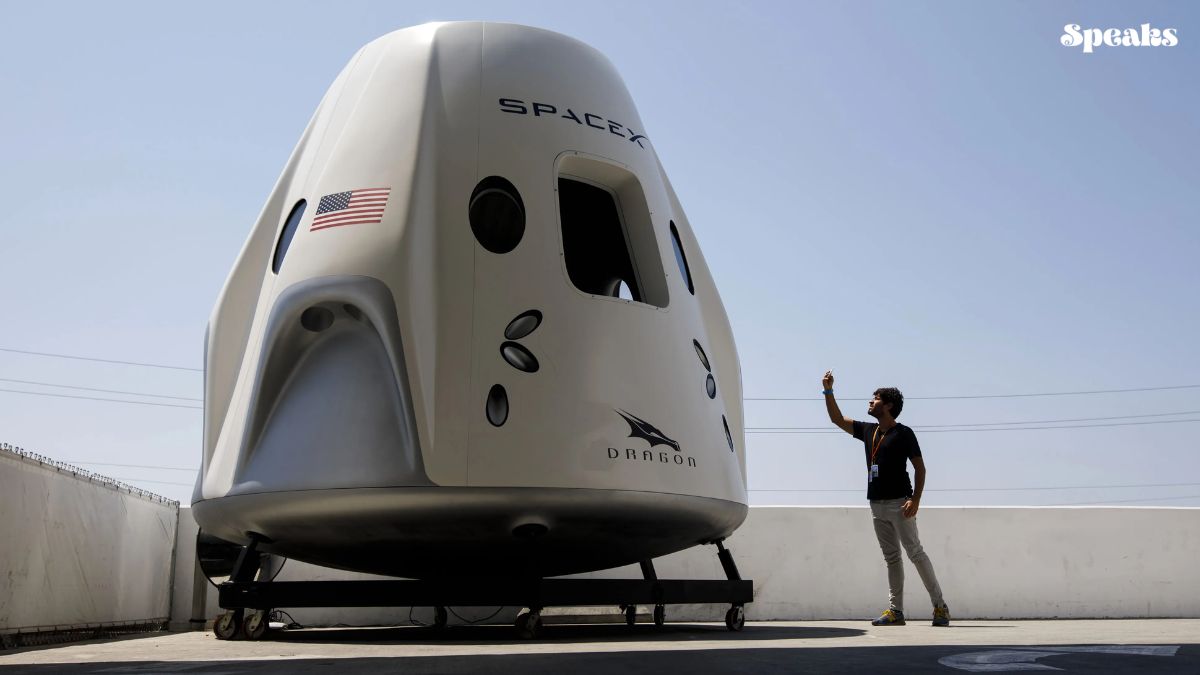
A SpaceX Dragon cargo spacecraft has returned to Earth carrying a collection of scientific experiments that could help researchers investigate cancer, cardiovascular disease, antibiotic resistance and astronaut health. The mission brought valuable research materials back from the International Space Station for further laboratory analysis.
The uncrewed spacecraft splashed down in the Pacific Ocean near Los Angeles at 2:03 p.m. PST on November 20, successfully completing NASA’s 35th commercial resupply mission using SpaceX vehicles.
Dragon departed the International Space Station at 11:05 a.m. CST that same day. Its return marked an important stage for researchers waiting to examine biological samples and experimental equipment that had spent time in the microgravity environment.
Among the most significant items aboard were frozen tumor organoids, laboratory-grown models designed to reproduce certain characteristics of human tumors. Scientists used these models to investigate experimental treatments and study how cancer responds to different therapeutic approaches.
The returning cargo also included a 3D-bioprinted blood vessel model. Researchers are studying how blood vessels age and how cardiovascular diseases develop, using the unusual conditions of space to examine biological processes.
Microgravity offers scientists an opportunity to investigate changes in living tissues that can be difficult to study under normal conditions on Earth. The findings could eventually support research into cardiovascular health and the development of new medical approaches.
Another important part of the mission involved antibiotic-resistant bacteria. Frozen microbial samples returned to Earth will allow researchers to investigate how these organisms survive and adapt to the space environment.
Antibiotic resistance remains a major global healthcare challenge. Understanding how bacteria behave during spaceflight could help scientists learn more about microbial survival and improve strategies for protecting astronauts during extended missions.
The Dragon spacecraft also returned a specialized lighting system that had spent more than three years aboard the International Space Station. Researchers used the equipment to investigate how controlled lighting can support astronaut sleep and overall well-being.
Maintaining a regular sleep schedule in orbit presents unusual challenges. The International Space Station circles Earth approximately every 90 minutes, exposing its crew to repeated cycles of daylight and darkness throughout the day.
Scientists are examining how lighting conditions influence the body’s internal clock, which regulates sleep and alertness. The research could help NASA develop better living conditions for astronauts preparing for longer missions.
The latest SpaceX mission originally began on October 13, when a Falcon 9 rocket launched the Dragon spacecraft from Space Launch Complex 40 at Cape Canaveral Space Force Station in Florida.
Dragon arrived at the International Space Station on October 15, delivering more than 6,300 pounds of scientific investigations and supplies for the Expedition 75 crew. The spacecraft remained at the orbiting laboratory for more than a month before beginning its return journey.
Unlike many cargo vehicles that primarily deliver equipment and supplies to orbit, Dragon can also transport scientific materials back to Earth. This capability allows researchers to examine samples using laboratory equipment that cannot be operated aboard the station.
The returned experiments have not yet established new medical treatments or confirmed major scientific breakthroughs. Researchers must first analyze the samples and compare their results with existing data from studies conducted on Earth.
For NASA, the mission demonstrates the continuing importance of commercial spacecraft in supporting scientific research aboard the International Space Station. The returned material could contribute to future investigations into cancer, cardiovascular health, infectious diseases and human performance in space.