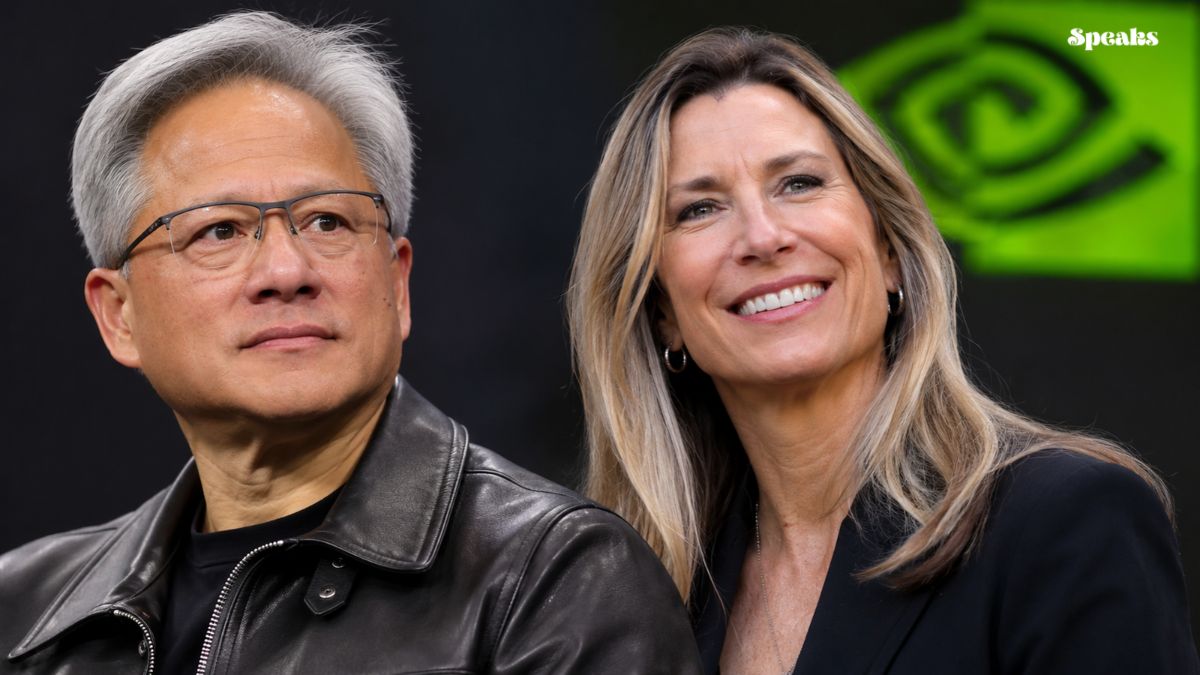
Nvidia’s dominance in the world of artificial intelligence (AI) isn’t just due to its chip business. The company is also playing a major role in providing funding and financial support to AI companies. But now a new challenge has arisen in front of the company. The departure of Nvidia’s former CEO Jensen Huang and questions raised about the company’s financial guarantees have increased pressure on its larger AI financing plan.
What is Nvidia’s $500 billion plan?
In August 2026, Nvidia announced plans to partner with six major Wall Street financial firms to fund AI computing projects worth up to $500 billion. Major companies like Apollo, BlackRock, Blackstone, Brookfield, Goldman Sachs and KKR are involved in this partnership. The scheme aims to provide AI companies with the funding they need for expensive chips, data centers and computing capacity. Creating and running AI models requires a large amount of computing power. For this companies have to invest heavily.
Why are financiers shying away from Nvidia’s guarantees?
Nvidia’s role in this whole planning is very important. The company asked for a residual value guarantee of up to 25% in some financing deals. To understand in simple language, if an AI company fails to pay by leasing chips or computing equipment, the full amount of the loan is not recovered by re-leasing or selling the equipment. In such event, Nvidia may indemnify monetary damages up to the prescribed limit. But some customers and financial partners want Nvidia to increase the portion of this guarantee. They believe that with more security it will be easier to invest money in such deals.
Broadcom is facing a tough challenge
Another challenge to Nvidia is from rival company Broadcom in the chip business. Broadcom has already offered high financial guarantees in several large AI financing deals. The company backed up to $30 billion in a $35 billion financing deal related to Anthropic. In such a scenario, if Nvidia doesn’t increase its guarantee, financial deals related to Broadcom could become more attractive to AI companies.
Why did the departure of Jensen Huang exacerbate the problem?
Jenson Huang played a big role in pushing Nvidia’s plan forward. Under his leadership, the company was not just a chip vendor, but also a major source of investment and financial support for many companies in the AI industry. Now, after his departure, the uncertainty about the company’s strategy has increased. Colette Kress, the company’s CFO, will take over as interim CEO. According to the report, the first deal under this financing scheme is unlikely to happen before January 2027. However, it will also depend on how much the change in leadership affects the deal.
AI speed can also be affected
Currently, the demand for data centers and chips in the AI industry is increasing rapidly. But launching these projects requires not only technology but also huge funds. If a major company like Nvidia falls behind in providing financial guarantees, raising debt could be costly for AI companies. This may delay plans to build new data centers and increase computing capacity. Overall, Nvidia now faces two major challenges. First, to strengthen its financial role in AI financing, and second, to maintain the trust of investors and partners without Jensen Huang. The coming months will determine how the company moves forward with its ambitious $500 billion plan.