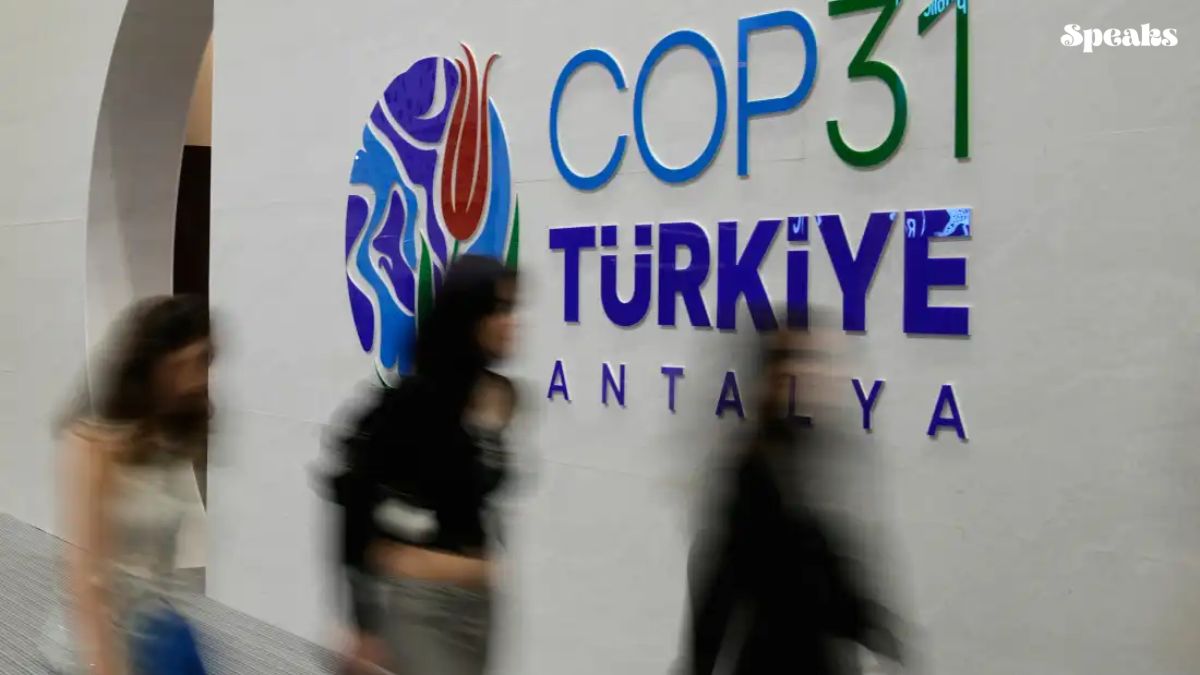
The COP31 climate negotiations in Turkey have ended without an overarching agreement after nearly 200 countries failed to resolve major disagreements over fossil fuels, climate finance and global climate action.
The United Nations climate summit, held in Antalya, Turkey, continued beyond its scheduled November 20 closing date as delegates attempted to find common ground. Negotiations ultimately broke down on November 22, leaving countries without an agreed political outcome.
One of the biggest disagreements involved whether the final agreement should explicitly recognize the need to move away from fossil fuels. Oil, gas and coal remain the largest contributors to human-caused climate change, making the issue central to discussions.
The European Union and several other countries rejected the latest draft because it did not include a clear commitment to transition away from fossil fuels. EU representative Darragh O’Brien criticized the proposal, arguing that an agreement without any reference to fossil fuels lacked the ambition needed to address the climate crisis.
Russia and Saudi Arabia opposed including stronger language on fossil fuel commitments. Their positions highlighted the divisions between countries seeking faster energy transitions and those defending different approaches to energy production and economic development.
The negotiations also exposed disagreements over climate finance, particularly financial support for developing countries facing rising temperatures, extreme weather and other climate-related challenges.
Developing nations have repeatedly called on wealthier countries to provide greater financial assistance for climate adaptation and damage caused by climate change. However, negotiators struggled to reach an agreement on how funding commitments should be strengthened.
COP31 President Murat Kurum confirmed during the closing discussions that countries had not reached consensus on the proposed agreement. He said the draft decisions would not be adopted and indicated that no further revised draft would be presented.
The breakdown followed several rounds of negotiations and multiple versions of the proposed agreement. Despite additional discussions, delegates remained divided over fundamental issues that had shaped the summit from the beginning.
Australia’s Climate Change Minister Chris Bowen, who served as president of negotiations, described the diplomatic environment surrounding the summit as exceptionally complicated. He pointed to growing geopolitical tensions and worsening climate impacts as factors affecting the discussions.
The United Kingdom also expressed disappointment over the failure to build consensus. EU members and other countries argued that the proposed language did not reflect the scale or urgency of the climate challenge.
United Nations Secretary-General António Guterres expressed disappointment that COP31 had ended without an overarching agreement. He also criticized powerful fossil fuel interests for obstructing climate action and called on wealthier nations to deliver promised financial support.
Despite the failure to secure a broader political agreement, some progress was made through separate discussions. Nearly 100 countries supported Turkey’s goal of increasing electricity’s share of final energy consumption to 35% by 2035.
Other negotiations covering climate adaptation and emissions-related issues also advanced. However, major disagreements over fossil fuel transition plans and financial assistance remained unresolved.
The outcome represents a significant setback for international climate diplomacy, particularly as governments face increasing pressure to strengthen their commitments under the 2015 Paris Agreement.
The next round of international climate negotiations is expected to take place in Ethiopia, where countries will have another opportunity to address the issues left unresolved in Turkey.