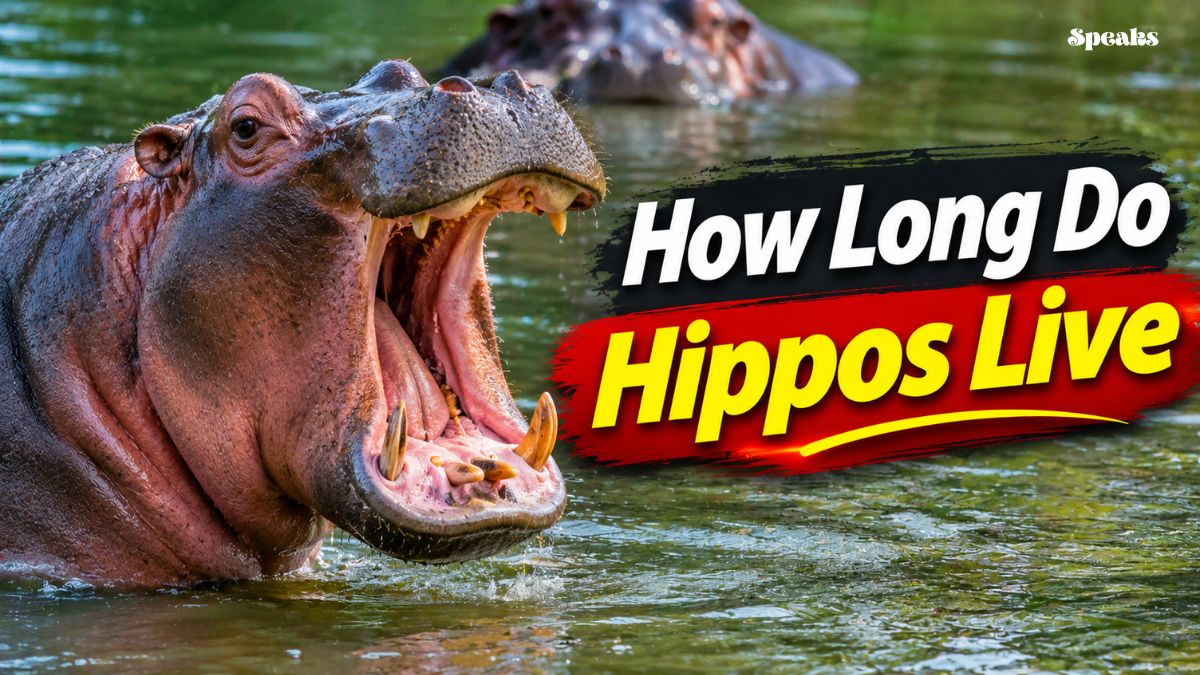
Hippopotamuses are among the largest and most recognizable mammals in the world, and they can live for several decades. In the wild, hippos generally live between 30 and 40 years, while those receiving professional care in accredited zoos can sometimes reach 50 years or more.
The question of how long hippos live has attracted renewed attention following the death of Fiona, the famous Nile hippopotamus at Cincinnati Zoo. Fiona died on November 19, 2026, at just 9 years old, following a medical emergency involving a visitor’s knit hat.
Her death has prompted animal lovers to learn more about hippo life expectancy, the differences between wild and captive environments, and why these powerful animals can survive for so many years.
How Long Do Hippos Live in the Wild?
Wild hippopotamuses typically have a lifespan of approximately 30 to 40 years, although individual survival depends on environmental conditions, food availability, disease, injuries and human activity.
Hippos spend much of their day in rivers and lakes, where water helps support their enormous bodies and protects their sensitive skin from the sun. They generally leave the water at night to graze on grass.
Despite their large size and powerful appearance, wild hippos face several natural challenges. Competition for territory, drought, habitat loss, conflicts with other animals and human activity can affect their chances of survival.
Access to suitable freshwater habitats is particularly important. When rivers and water sources shrink, hippos may need to travel farther to find food and suitable living conditions.
How Long Do Hippos Live in Captivity?
Hippos living in well-managed zoological facilities can often outlive their wild counterparts. Their lifespan can reach approximately 50 years, with some individuals reportedly surviving into their 60s.
Professional veterinary care, reliable food supplies, controlled environments and protection from certain natural threats can contribute to longer lives.
However, living in captivity does not automatically guarantee a longer lifespan. Animal welfare, habitat quality, healthcare, social conditions and individual health all play important roles.
Some wildlife organizations report that Nile hippos under human care can reach approximately 62 years, although published lifespan estimates vary between institutions.
Why Did Fiona the Hippo Die at Just 9 Years Old?
Fiona, one of the Cincinnati Zoo’s most recognizable animals, died on November 19, 2026, following complications after swallowing part of a visitor’s knit hat.
The incident happened when a child visiting the zoo tossed the hat into the air. According to reports, an overhead ceiling fan caught it and propelled it through an opening above the viewing window into Fiona’s habitat.
Fiona initially showed no obvious signs of distress. However, her appetite declined several days later, prompting the zoo’s veterinary team to investigate the situation.
Veterinarians attempted multiple treatments to help move the foreign object through her digestive system. These efforts included medication, supportive care, a colonoscopy and the use of a vibration plate.
Despite intensive veterinary attention, the team could not resolve the medical emergency. The zoo announced her death on November 19, leaving visitors and her international fanbase mourning the loss.
At 9 years old, Fiona was considerably younger than the typical life expectancy of a hippopotamus.
Fiona’s Remarkable Journey From Premature Birth to Global Fame
Fiona was born on January 24, 2017, at Cincinnati Zoo and Botanical Garden in Ohio. Her arrival was unusual because she was born approximately six weeks prematurely.
She weighed only 29 pounds, or around 13 kilograms, at birth. This was significantly below the typical birth weight of a Nile hippopotamus.
Her premature arrival created serious challenges for the zoo’s animal care team. Fiona initially struggled to stand and nurse, requiring intensive attention from veterinarians and animal keepers.
The zoo regularly shared updates about her development, allowing people around the world to follow her progress. Her determination to survive quickly turned her into an international sensation.
As Fiona grew stronger, she became one of the Cincinnati Zoo’s most popular attractions. Her story also introduced millions of people to hippopotamus behavior, development and conservation.
How Old Was Fiona’s Father and Is Her Mother Still Alive?
Fiona’s family history has also attracted attention following her death. Her father, Henry, died in October 2017 at the age of 36 after developing an infection.
Henry’s death occurred just months after Fiona’s birth, making the young hippo’s early development even more closely followed by zoo visitors.
Her mother, Bibi, was born on February 7, 1999, and was 27 years old in November 2026. She continues to be an important part of the Cincinnati Zoo’s hippo family.
Fiona also had a younger half-brother, Fritz, who was born in August 2022. Bibi and Fritz remain at the zoo following Fiona’s death.
What Is the Difference Between a Wild Hippo and a Zoo Hippo’s Lifespan?
The difference between wild and captive hippo lifespans is linked to several environmental and healthcare factors.
Wild hippos must find their own food, compete for territory and respond to changing weather conditions. They are also exposed to diseases, injuries and habitat disturbances that can affect survival.
In accredited zoos, keepers monitor animals’ health, provide balanced diets and arrange veterinary examinations when needed. These measures can help identify medical problems earlier and improve animal welfare.
A 2025 study examining historical zoo records of both hippopotamus species found that young hippos in zoos have experienced improved survival over time. The research also highlighted differences between survival patterns in captive populations and the limited wild population data available.
What Factors Affect How Long Hippos Live?
Several biological and environmental factors influence a hippopotamus’s life expectancy.
1. Food availability
Hippos are herbivores that primarily eat grass. A consistent food supply supports their growth, energy requirements and overall health.
2. Access to freshwater
Water is essential for hippos because they spend much of the day submerged. Suitable rivers and lakes help them regulate body temperature and protect their skin.
3. Veterinary care
Early diagnosis and treatment of infections, digestive problems and injuries can improve survival, particularly among animals receiving professional care.
4. Habitat and environmental conditions
Drought, shrinking water sources, habitat destruction and human activity can threaten wild hippo populations and reduce their chances of survival.
5. Individual health and genetics
Like other mammals, hippos have individual differences in health and longevity. Age, inherited characteristics and medical conditions can influence how long an animal lives.
How Big Do Hippopotamuses Get?
Hippopotamuses are among the largest land mammals on Earth. Adult Nile hippos can weigh several thousand pounds, with males generally growing larger than females.
Adult males can reach approximately 9,900 pounds, while females can weigh up to around 3,000 pounds, although individual sizes vary.
Their enormous bodies are supported by relatively short legs, powerful jaws and large mouths. Despite their size, hippos can move surprisingly quickly on land over short distances.
Their bodies are adapted to spending extended periods in water, where they can move along riverbeds and remain submerged for several minutes before coming up for air.
Are Hippos Endangered?
The common hippopotamus is classified as Vulnerable on the International Union for Conservation of Nature’s Red List.
Habitat loss, human-wildlife conflict and illegal hunting continue to threaten populations in parts of Africa. Hippos are also affected by changes to river systems and the availability of suitable freshwater habitats.
Conservation efforts focus on protecting natural habitats, managing human-wildlife interactions and reducing illegal hunting.
Maintaining healthy river ecosystems is particularly important because hippos depend on freshwater environments for their daily activities and survival.