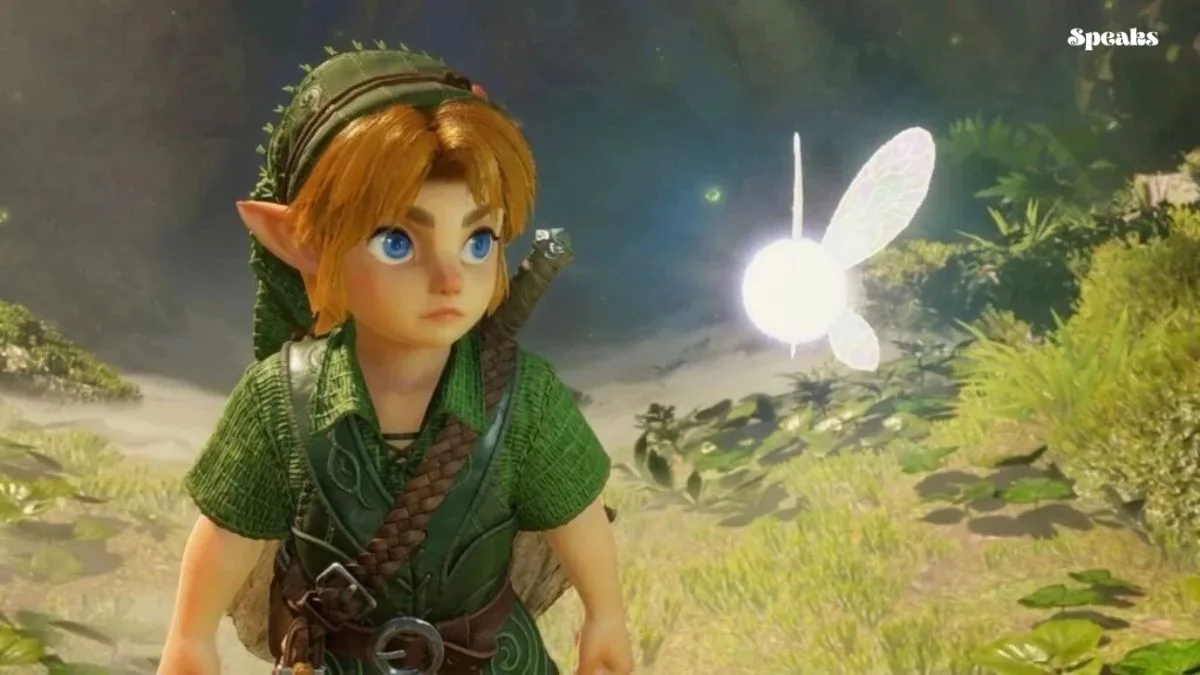
Nintendo’s latest version of The Legend of Zelda: Ocarina of Time has already made its way onto PC through unofficial software projects, just days after its release on Nintendo Switch 2. The development has raised fresh questions about emulation, game preservation and Nintendo’s ability to protect its exclusive releases.
The remake, which launched on November 5, 2026, was developed as a Nintendo Switch 2 exclusive. However, footage circulating online suggests that players have already found ways to run the game on computers using unofficial emulators and recompilation tools.
The rapid development has attracted attention across the gaming community. It has also put Nintendo in a difficult position, as the company has previously taken legal action against emulator developers and projects involving its copyrighted games.
Ocarina of Time Remake PC Port Appears Days After Switch 2 Release
The speed at which the remake appeared on PC has surprised many players. Within days of its official launch, videos began circulating online showing the game running through unofficial Nintendo Switch 2 emulation software.
One of the projects attracting attention is Lichii, an experimental Switch 2 emulator that has been used to run the remake on PC hardware.
Some demonstrations have shown the game reaching approximately 60 frames per second in certain scenes. However, that does not mean the experience is fully optimized or that the entire game runs smoothly from beginning to end.
Performance issues, compatibility limitations and unfinished development work remain important obstacles. Early footage should not be treated as proof of a stable, complete PC release.
The distinction matters because Nintendo has not announced an official Windows, macOS or Linux version of the 2026 remake.
How Players Are Running the Zelda Remake on PC
The emerging PC projects use different approaches to run Nintendo’s latest game outside its intended hardware.
Traditional emulators attempt to reproduce the behavior of a console so that software designed for that hardware can operate on another device. This requires developers to understand and recreate several aspects of the original system.
Recompilation projects take a different route. They work with the game’s underlying code and attempt to translate it into instructions that can run natively on a computer.
Projects associated with the Ocarina of Time remake have attracted attention because some developers have used AI-assisted tools to accelerate parts of the development process.
However, AI assistance does not automatically make a project legally safe or technically reliable. The way developers obtain game files, handle copyrighted material and interact with console security protections remains important.
Players should also understand that unofficial projects are not supported by Nintendo and can change or disappear as development continues.
Can Nintendo Legally Stop the Ocarina of Time Remake PC Port?
The biggest question surrounding the unofficial PC projects is whether Nintendo can successfully stop them through legal action.
Nintendo has a long history of aggressively protecting its intellectual property. However, the legal position surrounding emulators is more complicated than simply arguing that software capable of running console games is illegal.
IGN spoke with legal experts about the issue, and their assessments highlighted important differences between emulator development, copyright infringement and bypassing technological protections.
Kirk Sigmon, founding partner at KellDann Law, explained that previous legal decisions involving console emulation could provide arguments in favor of developers.
One important example is Sony’s unsuccessful lawsuit against the creator of the Connectix Virtual Game Station, an original PlayStation emulator.
The case demonstrated that developing an emulator is not automatically a violation of copyright law. However, the legal circumstances surrounding each project matter, and the decision does not provide blanket protection for every modern emulator.
Sigmon suggested that Nintendo could face challenges if a project was independently developed without stealing trade secrets or including Nintendo-owned copyrighted material.
Why the DMCA Could Become Nintendo’s Strongest Legal Option
Another major issue is the Digital Millennium Copyright Act, commonly known as the DMCA.
In the United States, the law includes provisions restricting the circumvention of technological measures designed to control access to copyrighted works.
This creates a separate legal question from whether emulator software itself is permitted.
Michael Dilworth, managing partner of Dilworth IP LLC, explained that the way an emulator operates can significantly affect its legal position.
If developers bypass digital rights management protections or distribute tools specifically designed to defeat those protections, Nintendo could potentially pursue legal action under the DMCA.
This distinction is particularly important for Switch 2 games because console security and encryption mechanisms play a central role in controlling access to Nintendo’s software.
Simply saying that users must supply their own game files does not automatically resolve every copyright or anti-circumvention issue.
The legality of a project depends on its technical design, the methods used to access the game and the distribution of any protected material.
Nintendo’s Previous Yuzu Lawsuit Could Influence the Situation
Nintendo has already demonstrated that it is willing to take major legal action against companies behind popular emulation software.
In 2024, Nintendo sued Tropic Haze, the developer of the Nintendo Switch emulator Yuzu. The dispute ended in a settlement that required the company to pay Nintendo $2.4 million.
The case focused heavily on allegations involving the circumvention of Nintendo Switch encryption and the distribution of software that facilitated access to protected games.
However, the settlement did not establish that all emulators are illegal.
That distinction could become important if Nintendo decides to pursue the developers behind the latest Ocarina of Time PC projects.
Legal experts have suggested that Nintendo would need to examine how these tools function rather than relying exclusively on the fact that they allow a console game to run on another platform.
The company could also investigate whether developers have used protected code, proprietary technology or other copyrighted material without authorization.
Legal Experts Disagree Over Whether Players Could Face Consequences
The legal uncertainty does not end with the developers. Players who use unofficial tools may also face questions about how they obtained and accessed their game files.
Some legal experts believe that owning a legitimate copy of a game could provide users with arguments in certain situations. However, purchasing a game does not necessarily give someone unrestricted permission to bypass its technical protections.
Zohaib Hashim, CEO of Blackmont Legal, highlighted concerns surrounding DRM circumvention and the terms governing access to Nintendo games.
Marcus Denning, principal and senior lawyer at MK Law, also emphasized that owning a legitimate copy does not automatically authorize users to bypass technological restrictions.
The distinction between owning a physical or digital copy and having permission to modify or circumvent protected software is important.
A game’s end-user license agreement can introduce additional contractual questions, although enforcing those terms may involve separate legal considerations.
As a result, players should not assume that owning the original game makes every unofficial PC method lawful.
Nintendo Begins Taking Action Against Ocarina of Time PC Videos
Nintendo’s response has also become visible through online copyright enforcement.
Following the circulation of videos showing the remake running on computers, YouTube videos demonstrating unofficial PC gameplay began facing copyright removal requests.
This approach could provide Nintendo with another way to limit the spread of footage and promotional attention surrounding unauthorized versions.
Copyright claims against videos are different from lawsuits against emulator developers. They can target specific uploaded material without necessarily resolving the broader legal question surrounding the software itself.
However, removing individual videos may not prevent developers from continuing their work or players from sharing information through other platforms.
Nintendo could also consider additional legal options if it believes the projects violate its intellectual property rights.
Why AI-Assisted Development Is Changing the Emulation Debate
Another interesting aspect of the situation is the growing role of artificial intelligence in software development.
Developers increasingly have access to AI-assisted coding tools that can help analyze software behavior, generate code and speed up reverse-engineering work.
Sigmon suggested that modern AI tools could make it easier to develop emulators without necessarily relying on stolen trade secrets or directly copying proprietary source code.
That possibility could make certain legal arguments more complicated for companies attempting to protect their platforms.
However, AI-generated code does not automatically avoid copyright restrictions. The source material, development process and use of protected technology still matter.
Nintendo’s potential legal strategy could therefore depend on whether investigators identify evidence of prohibited circumvention, unauthorized copying or other violations.
Ocarina of Time Remake PC Port Is Different From Ship of Harkinian
Longtime Zelda fans may already know about Ship of Harkinian, an unofficial PC project that brings the original Nintendo 64 version of The Legend of Zelda: Ocarina of Time to modern computers.
However, that project should not be confused with the 2026 remake.
Ship of Harkinian is based on the original game’s decompiled code and offers enhancements such as higher frame rates, widescreen support and additional customization options.
The new Switch 2 remake is a separate production with updated visuals, modern presentation and other changes introduced by Nintendo.
The two projects involve different versions of the game and different technical approaches.
This distinction is important because players searching for an Ocarina of Time PC experience may encounter information about the original game that has nothing to do with the newly released remake.
What Happens Next for Nintendo and PC Gaming?
Nintendo now faces a familiar challenge involving its exclusive games and the independent development communities that attempt to make them available on other platforms.
The company has several possible approaches, including copyright complaints, DMCA claims and legal action against developers if it identifies grounds for doing so.
However, the outcome will depend heavily on the technical details of each project and the applicable copyright and anti-circumvention laws.
For PC players, the current demonstrations represent an early stage of development rather than an officially supported alternative to Nintendo Switch 2.
The wider dispute could also influence future discussions about game preservation, console security and the legal boundaries of independent emulation development.