One of the three teenagers convicted in the 2019 killing of Barnard College student Tessa Majors has been released from prison, renewing attention to a case that shocked New York City and devastated the young student’s family.
Luchiano Lewis, now 21, was released from Franklin Correctional Facility on October 14, 2026, under conditional parole supervision, according to New York State Department of Corrections records. He served less than seven years of a nine-years-to-life sentence.
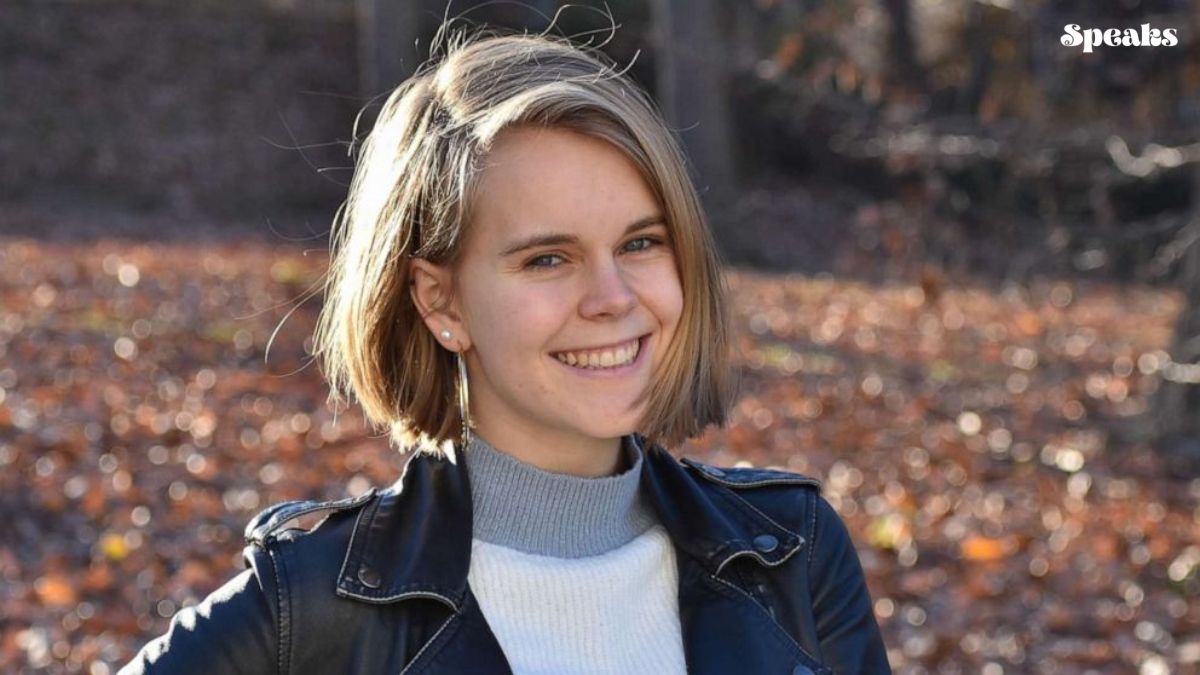
Lewis was just 14 when 18-year-old Majors was fatally stabbed during a robbery in Manhattan’s Morningside Park on December 11, 2019. The college freshman was returning toward her campus when a group of teenagers confronted her.
Prosecutors said the teenagers intended to steal her iPhone. During the confrontation, Majors was stabbed multiple times but managed to reach a nearby park entrance before collapsing.
She was taken to a hospital, where she later died from her injuries. Her death prompted widespread grief across Barnard College, Columbia University and the wider New York community.
Lewis pleaded guilty in 2021 to second-degree murder and first-degree robbery. Prosecutors maintained that he played an active role in the attack, although he was not the person who used the knife.
During his plea proceedings, Lewis acknowledged participating in the robbery and said he knew another teenager had a knife. He maintained that he did not know Majors had been stabbed until he learned about the killing through a news report the following morning.
Manhattan Supreme Court Justice Robert Mandelbaum sentenced Lewis to nine years to life in prison in October 2021. The judge acknowledged his young age but also raised concerns about his behavior following the killing.
Lewis had reportedly been involved in violent incidents while held in juvenile detention, including assaults and possession of prohibited weapons. The judge said those incidents made it difficult to view the killing as an isolated lapse in judgment.
At sentencing, Lewis apologized to Majors’ father and expressed regret over his involvement in the crime. He also apologized to his own father during the emotional court proceedings.
His release came through New York’s conditional-release system rather than a new court ruling overturning his conviction. Eligible incarcerated individuals can qualify for conditional release after serving the required portion of their minimum sentence and meeting applicable requirements.
Lewis’s release does not erase his conviction. He remains subject to community supervision and must comply with the conditions imposed by the corrections authorities.
The other teenagers involved in the killing also faced criminal proceedings. Rashaun Weaver, who was 14 at the time, was convicted of second-degree murder and robbery and received a sentence of 14 years to life.
Weaver remains incarcerated. The third teenager, Zyairr Davis, was initially sentenced to juvenile detention after pleading guilty to first-degree robbery, but he has subsequently faced separate criminal charges.
Davis is currently being held in connection with unrelated criminal allegations, according to reporting on the case.
The release of Lewis has renewed difficult questions about juvenile sentencing, rehabilitation and public safety, particularly given the severity of the crime and the judge’s concerns about his conduct while detained.
For Majors’ family, the development comes close to the seventh anniversary of her death. The young student was remembered as a talented musician, writer and promising journalist whose life ended during her first year at college.