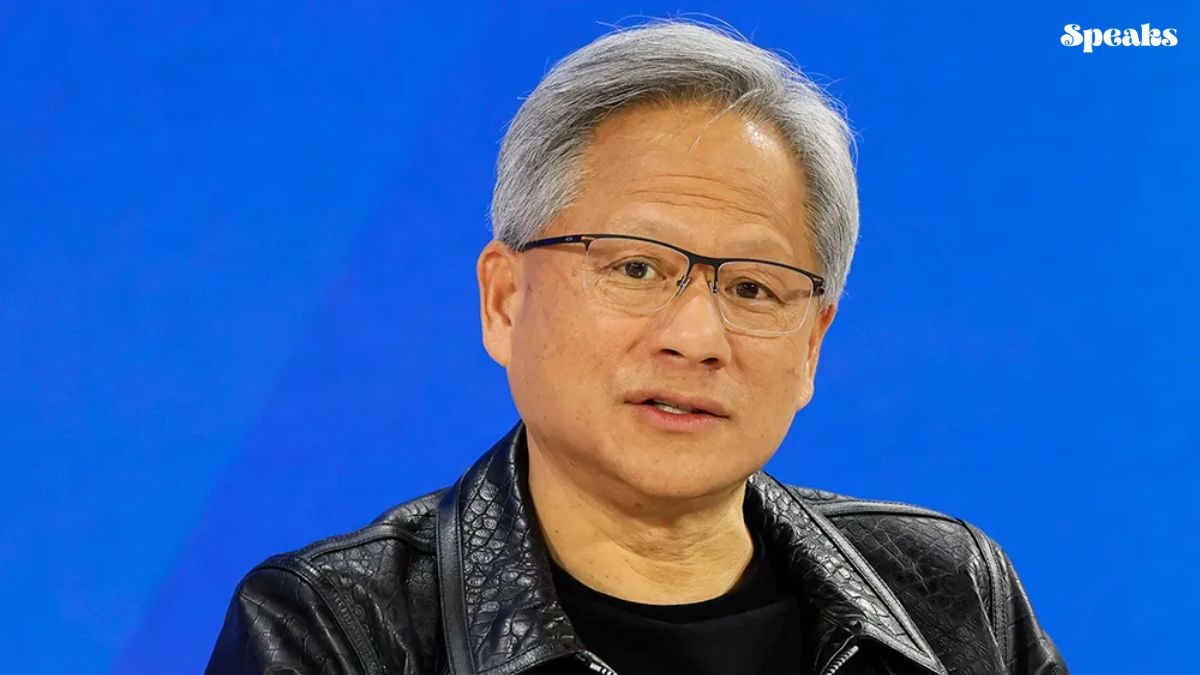
Nvidia co-founder Jensen Huang is returning as president and CEO after the company’s board reversed its earlier decision to reject his comeback, following direct intervention from President Donald Trump.
The announcement on Monday, November 23, marks a dramatic turnaround just 11 days after Huang stepped down from the artificial intelligence chipmaker. Nvidia confirmed that his reinstatement takes effect immediately and that he will also return to the company’s board of directors.
Trump claimed responsibility for helping secure the decision, telling CNBC that he had communicated with Nvidia’s board members directly and indirectly. He said he strongly believed Huang should return and acknowledged that his involvement helped persuade directors.
Nvidia said its board voted unanimously after holding discussions with Huang and reviewing his ability to lead the company. Chairman Harvey C. Jones said the directors remained confident in Huang’s leadership and believed his return was in the best interests of shareholders, employees, business partners and customers.
The decision follows controversy surrounding Huang’s personal relationships and reported connections involving Alice Huang, a Chinese businesswoman whom U.S. intelligence officials reportedly suspected of having links to Chinese intelligence. Huang’s departure triggered wider questions about corporate governance and potential national security implications.
The allegations also attracted attention because Nvidia’s advanced artificial intelligence processors are strategically important to the United States. Authorities have been examining concerns involving the possible diversion of advanced chips to China through businesses connected to the controversy.
Trump told CNBC that his administration provided Nvidia’s board with assurances regarding national security concerns. He maintained that Huang had not engaged in wrongdoing and described his return as an important decision for American technology leadership.
Nvidia’s announcement specifically noted that the board received input from senior U.S. government officials before reaching its decision. Based on that information, directors said they were confident Huang’s reinstatement did not present a national security risk.
However, the controversy is not entirely over. Nvidia’s independent investigation into whether Huang was targeted by a foreign intelligence operation is continuing, while congressional scrutiny surrounding the company’s chip exports and national security responsibilities remains an important issue.
Huang expressed gratitude after the announcement, saying he was honored to return and would approach the responsibility with renewed commitment. He also thanked Jones, interim CEO Colette Kress, Nvidia employees, shareholders and business partners for their support.
Kress, who temporarily assumed the CEO position following Huang’s resignation, will return to her previous responsibilities as Nvidia’s chief financial officer.
The leadership reversal comes as Nvidia remains central to the global artificial intelligence boom. Its processors power major AI systems and data center infrastructure, making the company’s executive decisions particularly important to investors and technology businesses worldwide.
Trump argued that retaining Huang’s leadership was important for America’s economic and technological competitiveness. His public involvement in the board’s decision has also raised questions about the relationship between government influence, corporate independence and national security oversight.