Nvidia stock faced renewed selling pressure on Wednesday, November 25, as investors reassessed the artificial intelligence giant following a dramatic rally triggered by the return of founder Jensen Huang as chief executive officer. The latest decline suggests that leadership news alone has not been enough to restore confidence in the company’s shares.
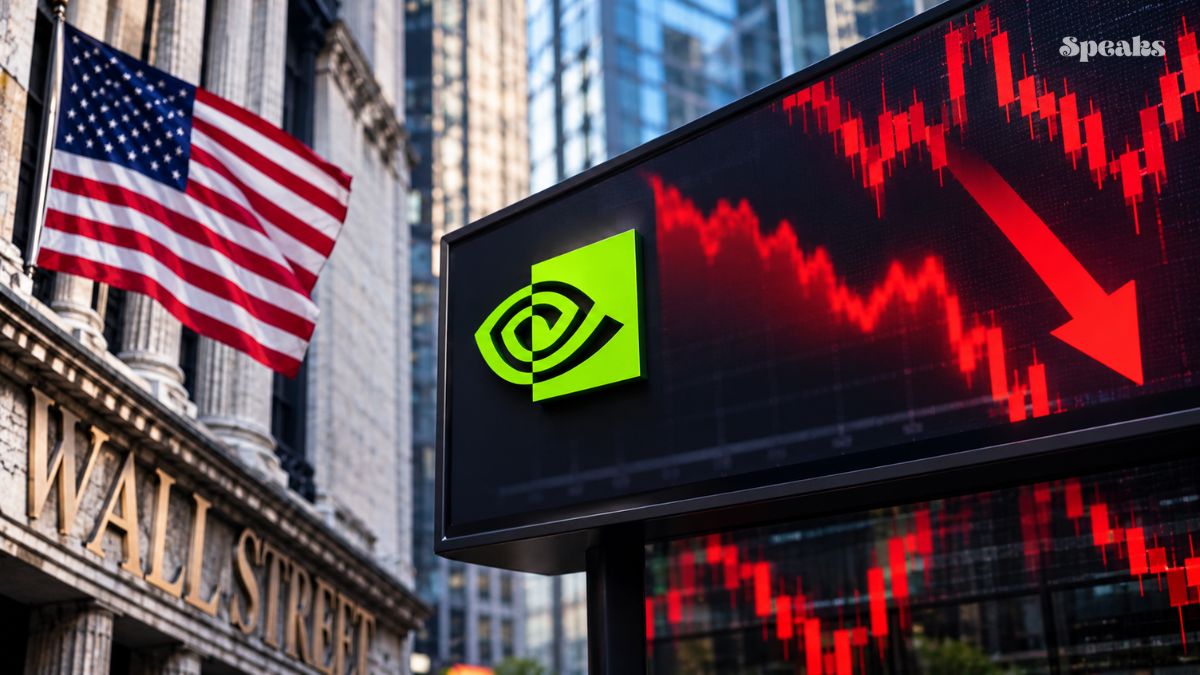
Nvidia (NASDAQ: NVDA) shares dropped approximately 7% during Tuesday’s trading session, reversing much of the optimism that had driven a powerful 31% rally on Monday. The stock also fell around 5% in premarket trading on Wednesday, extending its recent pullback.
The sharp reversal came just one day after Nvidia’s board reinstated Huang as CEO. His return followed a period of leadership uncertainty that had raised questions about the company’s management, corporate governance and future direction.
Nvidia’s board said it had held several discussions with Huang before deciding that he was the right person to lead the company. Chairman Harvey Jones said the board believed his reinstatement was in the best interests of shareholders, employees, business partners and customers.
However, the decision has not eliminated investor concerns. Questions surrounding the circumstances of Huang’s departure and return, along with ongoing scrutiny involving semiconductor exports, have continued to attract attention from Wall Street.
President Donald Trump also acknowledged speaking with Nvidia’s board before the leadership decision. He said he had directly and indirectly communicated with directors and helped convince them to reach an agreement.
The developments have added another layer of uncertainty for investors trying to evaluate Nvidia’s longer-term outlook. While Huang remains closely associated with the company’s growth and AI leadership, market participants are also examining the risks surrounding its business operations and corporate oversight.
The broader technology sector has faced additional pressure as investors reconsider valuations across artificial intelligence companies. Concerns about the sustainability of AI-related investment, financing arrangements and future growth expectations have contributed to market volatility.
Nvidia’s recent share-price movements also highlight how quickly sentiment can change in a stock that has become a major indicator of investor confidence in artificial intelligence. A significant rally following positive leadership news was followed by equally noticeable selling pressure.
Meanwhile, Huang’s return has not ended questions about the company’s internal leadership arrangements. Nvidia’s longtime chief financial officer, Colette Kress, had served as interim CEO during the leadership transition, and reports indicated that she was not involved in the discussions that led to Huang’s reinstatement.
The company’s leadership situation is also attracting attention from US lawmakers. Huang is expected to face congressional questions in December, including a scheduled Senate Banking Committee hearing on December 3. National security and semiconductor export concerns are expected to remain important subjects.
The immediate focus is whether Nvidia can regain momentum after giving back a substantial portion of its recent gains. The company’s position in the AI chip market remains significant, but governance questions and broader technology-sector uncertainty continue to influence trading sentiment.
The latest decline demonstrates that investors are looking beyond the CEO announcement and assessing the wider business, regulatory and market conditions that could shape Nvidia’s performance.