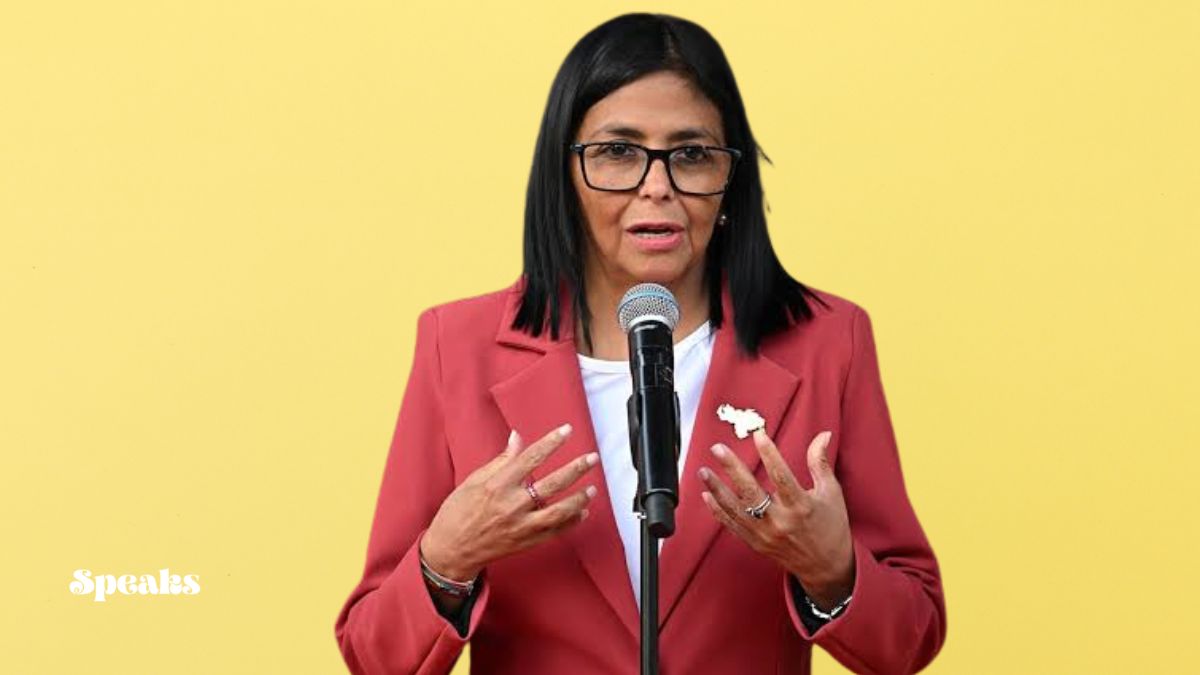
Venezuela’s interim government, led by Delcy Rodríguez, has released its most comprehensive economic assessment in more than a decade, offering investors greater transparency while exposing the enormous financial challenges facing the country.
The newly published economic framework estimates Venezuela’s total public debt at approximately $237.5 billion, significantly exceeding previous market expectations of between $150 billion and $200 billion.
The disclosure has attracted considerable attention from international investors, who have been waiting for clearer information about Venezuela’s financial position and plans to restructure its outstanding obligations.
For Rodríguez’s administration, the publication represents an important step toward rebuilding confidence, restoring economic stability and eventually returning Venezuela to international capital markets.
The country has remained in default for nearly a decade, while US sanctions imposed from 2017 significantly restricted its access to international financial markets.
Venezuela’s economic difficulties have also severely affected its crucial oil industry, which remains central to the country’s prospects for recovery.
The latest framework outlines projections for economic growth, government finances and future oil production. It forecasts that Venezuela’s gross domestic product could nearly double by 2031, reaching approximately $200.9 billion.
Oil production is also projected to more than double over the next decade, potentially reaching 2.9 million barrels per day.
Despite these projections, the government expects primary budget deficits to continue through 2030, highlighting the financial pressure that could complicate its recovery efforts.
Financial markets responded positively to the announcement. Prices of Venezuelan government bonds and bonds issued by state-owned oil company PDVSA increased following the publication of the economic framework.
Investors particularly welcomed the additional details explaining how the government calculated its overall debt obligations.
The reported $237.5 billion figure includes approximately $17 billion in outstanding payments owed by PDVSA to suppliers. These obligations could undergo further examination and potentially be revised downward.
The calculation also includes certain financial commitments between Venezuelan public-sector institutions, including obligations involving the country’s central bank.
These distinctions matter because not every obligation will necessarily become part of the eventual debt restructuring negotiations.
However, determining which creditors and financial claims should be included remains one of the biggest challenges facing Rodríguez’s administration.
US sanctions present another significant obstacle. Existing restrictions and waivers have complicated direct negotiations over Venezuela’s outstanding debt, while coordinating creditors across different countries could make the process even more difficult.
China’s position is particularly important because Venezuela has a diverse international creditor base that will need to be addressed during restructuring discussions.
Investors are now waiting for a comprehensive debt sustainability analysis, which will determine how much Venezuela can realistically repay without undermining its economic recovery.
The assessment will also help establish the potential financial losses creditors could face under a restructuring agreement.
Venezuela’s Vice Minister of Finance, Christiam Hernandez, said on state television that the analysis would be published in the coming days or weeks.
Hernandez also indicated that approximately 44% of Venezuela’s Eurobond obligations consisted of interest payments, highlighting the scale of accumulated financial liabilities.
Several important restructuring details remain unresolved, including proposed interest rates, repayment schedules, overdue interest treatment and potential reductions in the amounts owed to creditors.
International financial institutions could also play an important role in supporting Venezuela’s economic recovery.
Analysts have emphasized that credible fiscal and monetary reforms, alongside a potentially IMF-supported economic program, would help strengthen investor confidence and improve the country’s long-term financial outlook.
Although the latest disclosure has encouraged bondholders, economists have cautioned that optimistic growth projections do not guarantee a successful recovery.
Delcy Rodríguez, the next major challenge will be converting improved financial transparency into a credible restructuring agreement that can attract international investment while making Venezuela’s debt manageable.