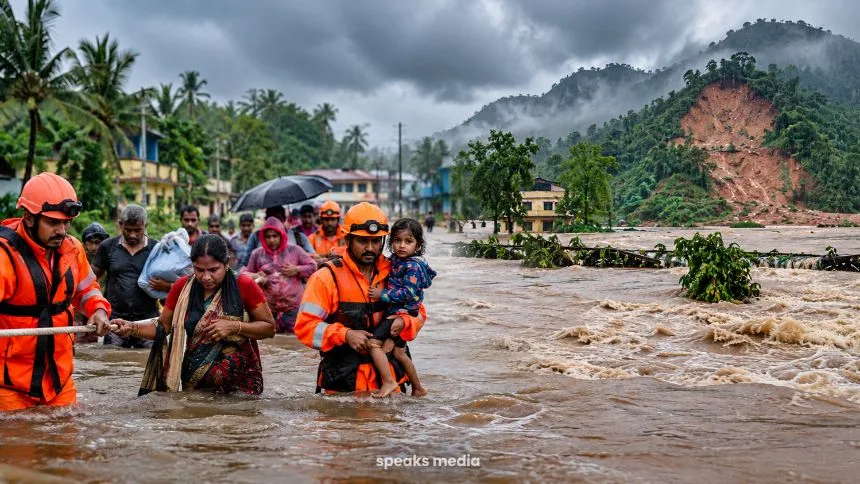
Odisha, India: Odisha remains on alert for heavy rainfall and possible flooding as the effects of Cyclone Arnab continue to affect parts of the state. Authorities are monitoring vulnerable districts for waterlogging, flash floods and landslides, particularly in southern Odisha, where intense rainfall has increased weather-related risks.
The cyclone crossed the Andhra Pradesh coast on October 28, bringing strong winds and heavy rain to nearby areas. Although the storm has weakened over land, rainfall remains a concern across parts of Odisha and neighboring states.
Southern Odisha Districts Face Elevated Flood Risk
Ganjam, Gajapati, Rayagada, Koraput and Malkangiri are among the districts that faced the most serious rainfall warnings as Cyclone Arnab approached the eastern coast. Heavy downpours in these areas can cause rivers and streams to rise quickly, increasing the risk of localized flooding and landslides.
The India Meteorological Department (IMD) had issued red-level rainfall warnings for vulnerable southern districts, forecasting very heavy to extremely heavy rain. Authorities have also been concerned about strong winds damaging homes, disrupting electricity and blocking roads.
Flood Watch as Heavy Rain Continues
The continuing rainfall has raised concerns about flash flooding in low-lying communities and areas near rivers. Residents in vulnerable locations should watch for rapidly rising water, flooded roads and official evacuation instructions.
Heavy rainfall can also destabilize slopes in hilly districts, including Koraput, Rayagada, Malkangiri and Gajapati. Localized landslides may disrupt transport and isolate communities, particularly where roads pass through steep or waterlogged terrain.
Odisha Strengthens Emergency Preparedness
State authorities have stepped up preparedness in districts exposed to the cyclone’s effects. Emergency teams, district officials and local administrations have been directed to remain ready to respond to flooding, fallen trees, damaged infrastructure and other weather-related emergencies.
Officials have also worked to move vulnerable residents to safer locations, with priority given to people living in fragile houses and low-lying areas. Emergency shelters and control rooms are important parts of the response as weather conditions change.
Residents should follow the latest IMD bulletins and instructions from district authorities. People should avoid crossing flooded roads or streams, stay away from fallen power lines and move to higher ground if floodwaters rise rapidly.
Rainfall Outlook and Safety Precautions
Rainfall conditions may vary considerably between districts, making local forecasts especially important. People should not assume that conditions are safe simply because the cyclone has weakened or moved inland.
The flood watch remains an important consideration for communities exposed to intense rainfall, overflowing waterways and possible landslides. Residents should keep emergency supplies accessible and monitor official updates before traveling through affected areas.