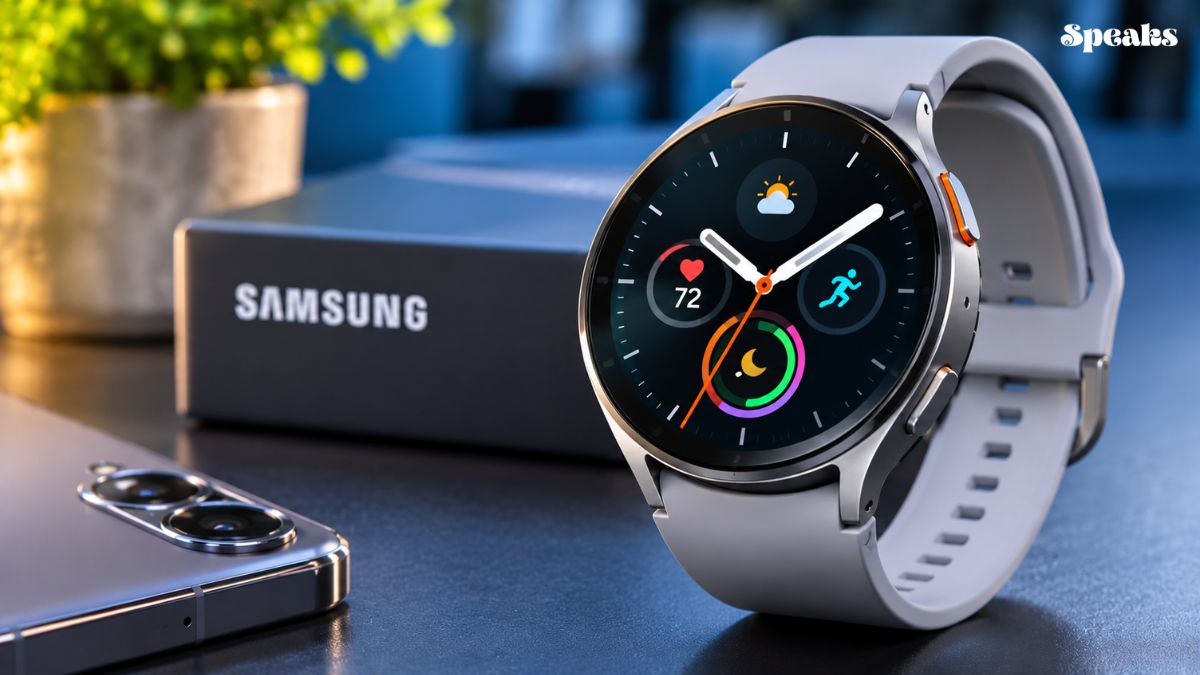
Samsung could be preparing a major change to its smartwatch strategy, with reports suggesting that the Galaxy Watch 10 may not arrive in 2027. Instead of introducing new wearables every year, the company is reportedly considering a two-year product release cycle.
The potential change would mark a significant departure from Samsung’s long-running Galaxy Watch launch schedule. If the reported plan moves forward, customers may have to wait until 2028 for the next major generation of Samsung’s flagship smartwatch.
The development comes as Samsung faces rising hardware manufacturing costs, weaker-than-expected demand for its latest smartwatch and financial pressure within its Mobile eXperience (MX) division.
Samsung Galaxy Watch 10 May Skip 2027 Launch
According to a report from South Korean publication ET News, Samsung is planning to move its Galaxy Watch lineup from annual releases to a biennial schedule.
Under this reported strategy, the company would not introduce a new Galaxy Watch model in 2027. That means the Galaxy Watch 10, which would logically follow the current generation, could be pushed back to 2028.
Samsung has maintained a regular annual smartwatch release schedule since the original Galaxy Watch arrived in 2018. Ending that pattern would represent a substantial change in how the company develops and markets its wearable products.
The reported decision is linked to a wider restructuring effort within Samsung’s mobile business, where executives are looking for ways to control expenses and improve profitability.
Samsung has not officially confirmed the reported Galaxy Watch launch delay or announced a revised release calendar.
Why Samsung Could Delay the Galaxy Watch 10
Manufacturing costs are reportedly becoming a major concern for Samsung’s MX division.
According to ET News, the division has recorded losses for two consecutive quarters. Higher component prices, including costs associated with processors and memory, have added pressure to the company’s hardware business.
Launching a new smartwatch every year requires substantial investment in research, engineering, manufacturing, advertising and distribution.
Moving to a two-year development cycle could give Samsung additional time to develop meaningful hardware improvements while reducing the expenses associated with frequent product launches.
The strategy would also allow the company to concentrate resources on products with stronger profit potential instead of spreading development budgets across multiple annual releases.
Galaxy Watch 9 Sales Reportedly Fell Short of Expectations
The performance of the latest Galaxy Watch generation is another factor behind the reported change.
Samsung introduced the Galaxy Watch 9 with a higher price than its predecessor, the Galaxy Watch 8. However, the increased retail price reportedly failed to generate the expected consumer response.
Higher production costs have made it more difficult for smartwatch manufacturers to introduce significant improvements without increasing prices.
For consumers, this creates a difficult buying decision. A more expensive smartwatch needs to offer noticeable improvements in health tracking, battery performance, processing speed and everyday usability.
If customers do not see enough differences between consecutive generations, they may decide to keep their existing devices for longer rather than upgrade every year.
Samsung could therefore use a longer release schedule to create more substantial upgrades between generations.
Samsung Faces Strong Competition in the Global Smartwatch Market
Samsung’s reported strategy change comes as competition in the global smartwatch industry remains intense.
Apple continues to hold a strong position in the premium smartwatch market, particularly in North America, where the Apple Watch benefits from close integration with the iPhone ecosystem.
According to Counterpoint Research’s smartwatch market data for 2025, Samsung held approximately 7% of global smartwatch shipments, compared with Apple’s 23%.
That gap highlights the challenge Samsung faces in competing against established players while managing the cost of developing new hardware.
A slower release schedule could help Samsung protect its margins, although it also creates a risk of giving competitors more opportunities to attract customers with newer devices.
Existing Galaxy Watches Could Receive More Software and Health Features in 2027
Even if Samsung does not introduce a new flagship smartwatch in 2027, existing Galaxy Watch owners may still receive improvements.
The ET News report indicates that Samsung plans to focus on software updates and enhancements to healthcare features during the gap between hardware generations.
This could be particularly important for customers who already own a Galaxy Watch 8, Galaxy Watch 9 or Galaxy Watch Ultra 2.
Software improvements can extend the usefulness of existing devices without requiring consumers to purchase a completely new smartwatch.
Potential areas of focus include health monitoring, fitness tracking, system performance and improvements to Samsung’s connected wearable ecosystem. However, specific new features and supported devices have not been officially announced.
Samsung Galaxy Fit Could Fill the 2027 Smartwatch Gap
Samsung may also rely on its more affordable fitness band lineup to maintain its presence in the wearable market.
According to the ET News report, the company plans to introduce a new Galaxy Fit model in 2027. This would give customers another wearable option even if the flagship Galaxy Watch lineup takes a year off.
A fitness band generally targets a different audience from a premium smartwatch. It can appeal to buyers who primarily want activity tracking, basic health monitoring and a lightweight design.
For Samsung, an affordable wearable could help maintain customer engagement while reducing the pressure to introduce an expensive flagship smartwatch every year.
The company has not officially confirmed the next Galaxy Fit model’s name, specifications or launch date.
What the Reported Delay Means for Galaxy Watch Buyers
For customers considering a smartwatch purchase, the possible change could affect upgrade decisions throughout 2027.
People who already own a recent Galaxy Watch may have a stronger reason to keep their current device if Samsung continues delivering software improvements and health-related features.
Meanwhile, buyers planning to upgrade from older models may not necessarily need to wait until 2028. The current Galaxy Watch lineup could remain Samsung’s flagship wearable option throughout the reported gap.
The bigger question is whether Samsung can use the additional development time to deliver meaningful improvements in battery life, health sensors, performance and overall smartwatch usability.
A longer product cycle could benefit customers if it results in more substantial upgrades rather than minor changes between consecutive generations.