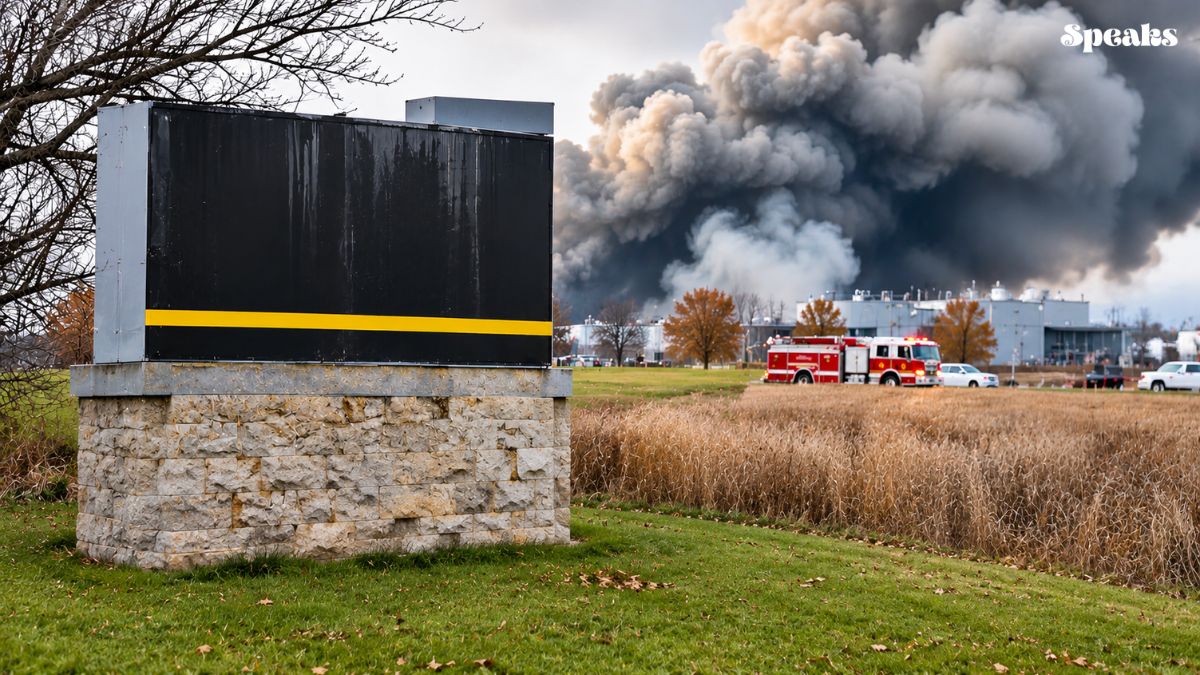
The U.S. Army’s plan to destroy nearly 10,000 pounds of deteriorating explosive material at an ammunition plant in Iowa has sparked growing concern among nearby residents, environmental groups and state officials over potential exposure to toxic lead particles.
The operation involves 68 drums containing approximately 9,700 pounds of degraded lead azide, including an estimated 6,900 pounds of lead. The material is stored at the Iowa Army Ammunition Plant in Middletown, southeastern Iowa.
Army officials say the chemical has become increasingly unstable after developing crystals during long-term storage. They warn that moving or handling the material could trigger an uncontrolled explosion, making controlled detonation the safest available disposal option.
The Army originally scheduled the operation for November 20 but postponed it to November 23. Officials subsequently moved the planned detonations again, with November 25 identified as the new target date to allow more favorable weather conditions and additional safety preparations.
The decision has become controversial because detonating the material could release lead-containing particles into the atmosphere. Depending on wind direction and weather conditions, the resulting dust plume could affect communities, agricultural land and properties beyond the military installation.
Lead exposure is a significant public health concern because the metal can damage the nervous system and cause other serious health problems. Children and pregnant women face particular risks, and health authorities emphasize that no level of lead exposure is considered safe.
Iowa health officials have warned residents about two potential exposure routes: breathing airborne particles and coming into contact with contaminated dust deposited on outdoor surfaces. These surfaces could include playgrounds, vehicles, gardens, buildings and agricultural areas.
Residents in potentially affected locations have been advised to remain indoors during the airborne exposure period, keep windows and doors closed, and use indoor air recirculation where possible. Officials also recommend following updated Army guidance before cleaning potentially affected surfaces.
The Environmental Protection Agency issued an emergency permit authorizing the controlled operation. However, environmental organizations, including the Iowa Environmental Council and the Sierra Club’s Iowa chapter, have challenged the decision and questioned whether safer disposal alternatives received sufficient consideration.
The legal dispute has added uncertainty to the Army’s timetable. The Eighth U.S. Circuit Court of Appeals initially issued an administrative stay, but subsequent court developments allowed the Army to continue preparing for the operation while litigation remained ongoing.
President Donald Trump also became involved in the dispute, calling for the Army to hold off until the appeals court addressed the matter. The conflicting legal and administrative developments have increased pressure on federal officials to explain their next steps.
The controversy has extended beyond Iowa. Illinois authorities have been monitoring potential air-quality impacts, requesting additional information about the Army’s atmospheric modeling and preparing public health guidance for communities that could be affected by the plume.
The Army maintains that its decision prioritizes public safety and that allowing the unstable material to remain in storage could create a more serious explosive hazard. Officials have also said that weather conditions are an important factor in determining the timing of the operation.