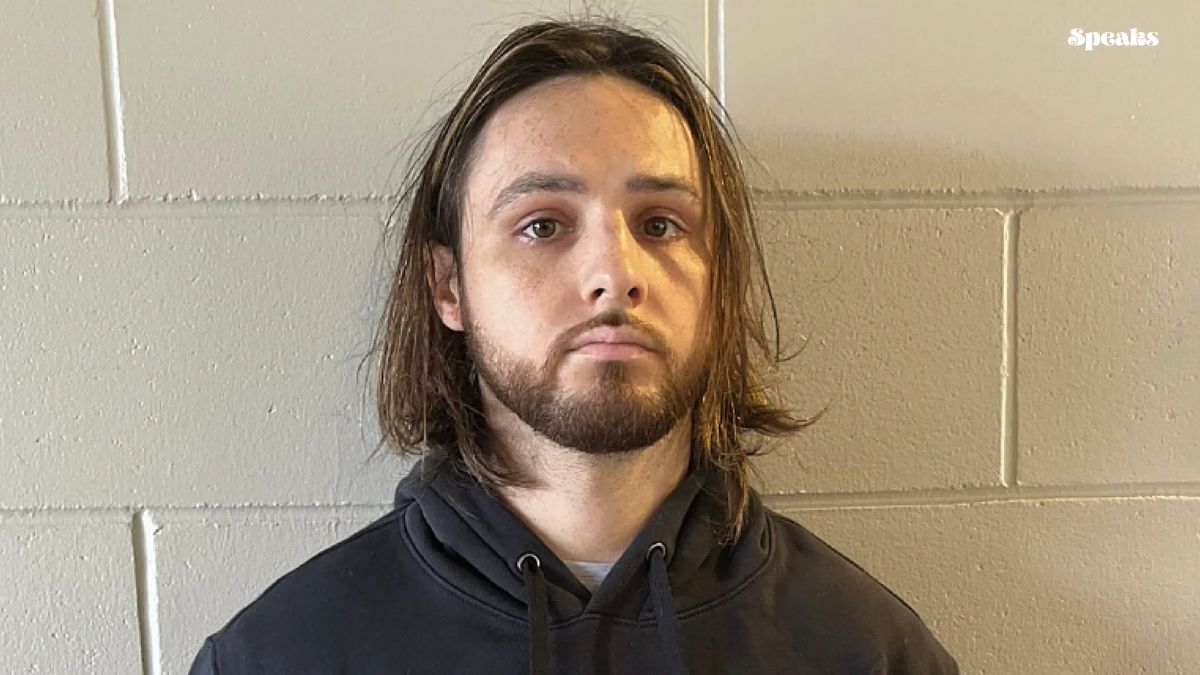
Jonathan Rinderknecht was found guilty of two federal arson-related charges on Friday, November 20, following a retrial over the deadly 2025 Palisades Fire in Los Angeles.
A federal jury in Los Angeles convicted Rinderknecht of destruction of property by means of fire and arson affecting property used in interstate commerce. Prosecutors said he deliberately started a smaller brush fire that later developed into the devastating Palisades Fire.
The verdict came nearly five months after his first trial ended in a hung jury. Rinderknecht now faces a possible prison sentence ranging from five years to 40 years, with sentencing scheduled for March 17, 2027.
The Palisades Fire killed 12 people, destroyed thousands of structures and caused an estimated $25 billion in damage, according to federal prosecutors.
Why Was Jonathan Rinderknecht Found Guilty?
The case centered on a small brush fire known as the Lachman Fire, which began shortly after midnight on January 1, 2025, near Pacific Palisades.
Federal prosecutors argued that Rinderknecht deliberately ignited the fire. Although firefighters initially brought it under control, the blaze continued smoldering underground within the roots of dense vegetation.
Six days later, on January 7, powerful Santa Ana winds helped bring the fire back to the surface. It spread rapidly and became the Palisades Fire, one of the most destructive wildfires in Los Angeles history.
Prosecutors presented evidence they said connected Rinderknecht to the original ignition. The jury ultimately accepted the government’s case and returned guilty verdicts on both charges.
What Evidence Did Prosecutors Present Against Rinderknecht?
Digital and forensic evidence played a central role in the retrial. Prosecutors used cellphone location information, fire-detection camera footage and other investigative findings to place Rinderknecht near the site where the Lachman Fire began.
According to the Justice Department, cellphone geolocation data placed him in a clearing approximately 30 feet from the fire as it grew.
Investigators also presented evidence showing that environmental sensing systems detected the fire at approximately 12:12 a.m. on January 1.
Prosecutors said Rinderknecht attempted to contact emergency services several times but initially could not connect because his phone was outside cellular coverage. He eventually reached 911 and reported the fire.
The government also highlighted inconsistencies between his account of where he first saw the flames and the location data recovered during the investigation.
ChatGPT Search History Became Part of the Arson Trial
One unusual aspect of the case involved digital records connected to ChatGPT.
Prosecutors introduced Rinderknecht’s search history and previous interactions with the AI chatbot. They argued that his online activity included questions about whether a cigarette could accidentally start a fire.
The government also presented AI-generated fire imagery from his earlier activity as part of its argument about his interest in wildfires and his state of mind.
The material was considered alongside other evidence, including location records and camera footage. It was not the only basis for the prosecution’s case.
The use of AI-related records attracted attention because it showed how digital activity can become part of evidence presented in a major criminal trial.
What Happened in Jonathan Rinderknecht’s First Trial?
The November 2026 conviction followed an earlier trial that ended without a verdict.
Rinderknecht’s first federal trial took place in June 2026. After deliberating, jurors were unable to reach a unanimous decision, resulting in a mistrial.
Reports said the jury was deadlocked 10-2 in favor of acquittal. Federal prosecutors announced that they intended to try the case again.
For the retrial, prosecutors filed a revised indictment and narrowed the case to two charges. The earlier timber-set-afire charge was not included in the new trial.
The second trial began on November 4 and lasted approximately two weeks. Jurors deliberated for nearly three days before returning the guilty verdict on November 20.
What Did the Defense Argue During the Retrial?
Rinderknecht pleaded not guilty and maintained his innocence during the proceedings.
His defense challenged the government’s account of how the original fire started. Attorneys questioned aspects of the forensic investigation and argued that the evidence did not establish that he was responsible beyond a reasonable doubt.
The defense also pointed to reports of fireworks and other activity in the area around New Year’s Day, suggesting that another ignition source could have caused the initial blaze.
The defense’s position differed sharply from the prosecution’s argument that Rinderknecht was the person who started the Lachman Fire.
The jury’s decision followed consideration of the competing accounts and evidence presented during the retrial.
How Many People Died in the Palisades Fire?
The January 2025 Palisades Fire had a devastating impact on communities across Los Angeles County.
The fire killed 12 people and destroyed 6,837 structures, according to the U.S. Department of Justice. Federal prosecutors estimated the damage at approximately $25 billion.
The blaze burned more than 23,000 acres and devastated residential neighborhoods, businesses and other properties in Pacific Palisades and surrounding communities.
Thousands of residents faced displacement after losing their homes. The disaster also raised major questions about wildfire preparedness, emergency response and the long-term recovery of affected neighborhoods.
For survivors and families who lost loved ones, the criminal case became one part of a much larger effort to seek accountability and rebuild their communities.
Jonathan Rinderknecht Sentencing Date: March 17, 2027
U.S. District Judge Anne Hwang has scheduled Rinderknecht’s sentencing hearing for March 17, 2027.
The two federal convictions carry a mandatory minimum sentence of five years in prison and a statutory maximum of 40 years, according to the Justice Department.
The final sentence will be determined by the court after considering the applicable legal requirements and sentencing factors.
Rinderknecht has remained in federal custody since October 2025. The Bureau of Alcohol, Tobacco, Firearms and Explosives investigated the case with assistance from the Los Angeles Police Department and the U.S. Forest Service.
What Happens Next in the Palisades Fire Case?
The guilty verdict marks a major development in the federal criminal proceedings connected to the January 2025 wildfire.
The next major court date is the March 17, 2027 sentencing hearing. The court will determine the punishment for the two convictions.
The case also remains significant for the thousands of people affected by the disaster. The criminal verdict addresses Rinderknecht’s responsibility under federal law, while broader questions about wildfire prevention, emergency response and recovery remain separate issues.