The United States is strengthening its military partnership with the Philippines to counter China’s growing pressure in the South China Sea, but Washington’s approach to international justice is raising questions about the consistency of its foreign policy.
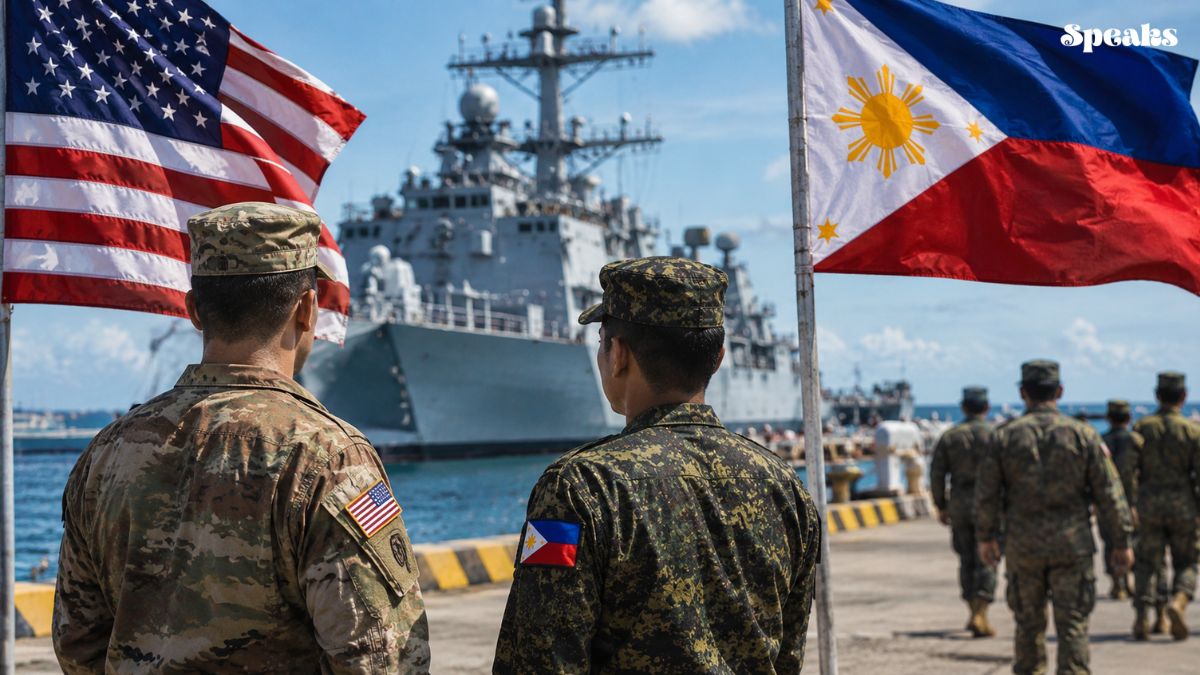
The issue has gained attention following two developments involving the longtime allies. On November 10, the Philippines, the United States, Australia and Japan announced plans to expand defense cooperation, including the establishment of a new coordination center in the Philippines.
The four countries also reiterated their opposition to coercive actions in the South China Sea, where tensions between Manila and Beijing have repeatedly challenged regional stability.
Under President Ferdinand Marcos Jr., the Philippines has expanded American military access from five military locations to nine. Washington has also supported Manila’s position on the 2016 international arbitration ruling concerning competing maritime claims in the South China Sea.
The ruling is important to the Philippines because it provides an international legal basis for challenging China’s extensive maritime claims without requiring Manila to match Beijing’s military capabilities.
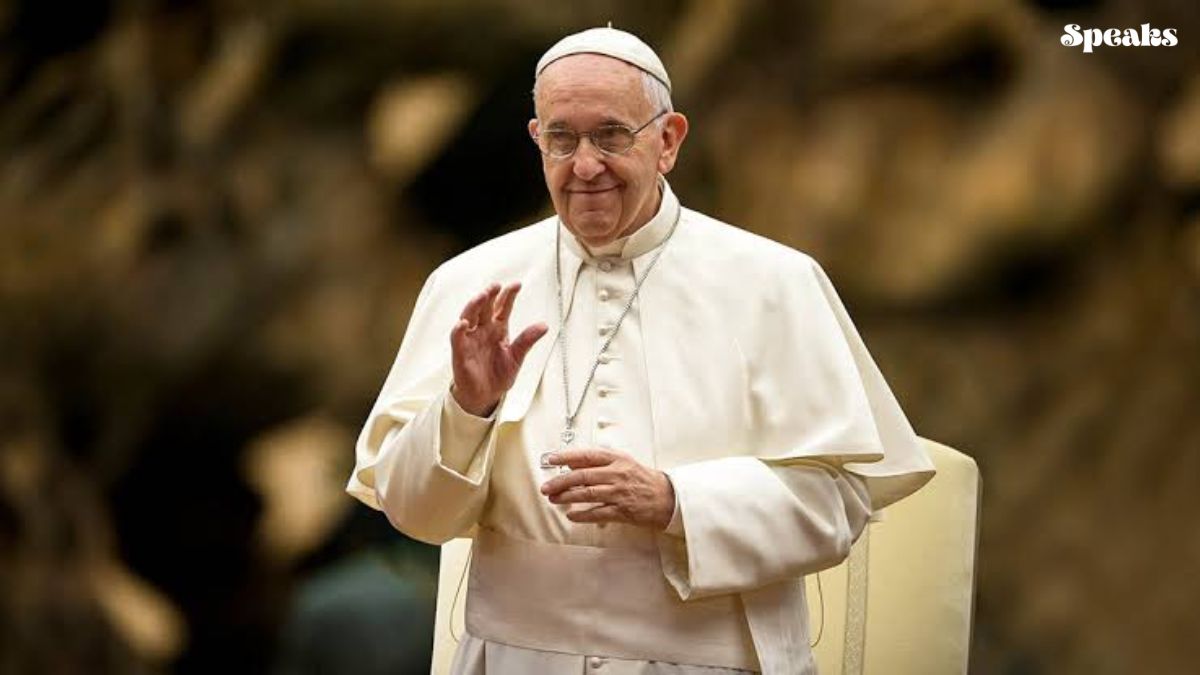
However, Washington’s position on international accountability has created a separate diplomatic concern. In October, the Trump administration placed the International Criminal Court (ICC) on its sanctions list, raising questions about American support for an institution investigating alleged crimes committed during former Philippine President Rodrigo Duterte’s anti-drug campaign.
Duterte is currently being held in The Hague after Philippine authorities surrendered him to the ICC in 2025. He faces allegations involving crimes against humanity connected to his controversial war on drugs.
His trial is scheduled to begin on November 30, with prosecutors pursuing three counts involving alleged murder and attempted murder. The proceedings are expected to examine allegations surrounding the campaign that defined much of Duterte’s presidency.
The scale of the anti-drug campaign remains a significant issue in the Philippines. Government figures recorded 6,252 deaths during official anti-drug operations between July 2016 and May 2022, although the broader number of deaths associated with the campaign remains disputed.
The ICC proceedings cover only a portion of the deaths linked to the campaign. Accountability for other cases will largely depend on investigations conducted by Philippine institutions.
A separate effort to examine potential irregularities has also emerged. On November 9, the Philippine Truth Commission, an independent civil society initiative, requested an investigation into discrepancies involving 13 death certificates.
The organization asked the country’s professional regulator to preserve relevant records and examine the medical evidence behind the documents. The request does not establish how the individuals died or determine responsibility for their deaths.
International relations expert Tom Smith, an associate professor at the University of Portsmouth, argues that Washington should address these accountability concerns alongside its expanding military cooperation with Manila.
His analysis, published by the Lowy Institute, highlights the contradiction between American support for the Philippines’ maritime rights and sanctions against an international court hearing a case involving alleged human rights violations in the country.
The Trump administration has defended its position on the ICC by arguing that the court threatens American sovereignty and could expose US citizens to prosecution. However, sanctions against the institution extend beyond Washington’s objections concerning American nationals.
The United States has previously separated security cooperation from human rights concerns in its relationship with the Philippines. Washington suspended some counternarcotics assistance to Philippine police in 2016, while military cooperation continued through subsequent diplomatic negotiations.
Smith argues that the US can maintain its defense partnership without overlooking accountability. He suggests enforcing existing restrictions on assistance to security units where credible evidence links them to serious human rights violations.
He also recommends supporting independent forensic investigations, legal assistance and witness protection through Philippine organizations, while encouraging greater transparency about investigations involving alleged abuses.
The debate presents a broader challenge for the Philippines as it strengthens its strategic relationship with Washington while addressing unresolved questions surrounding its domestic human rights record.