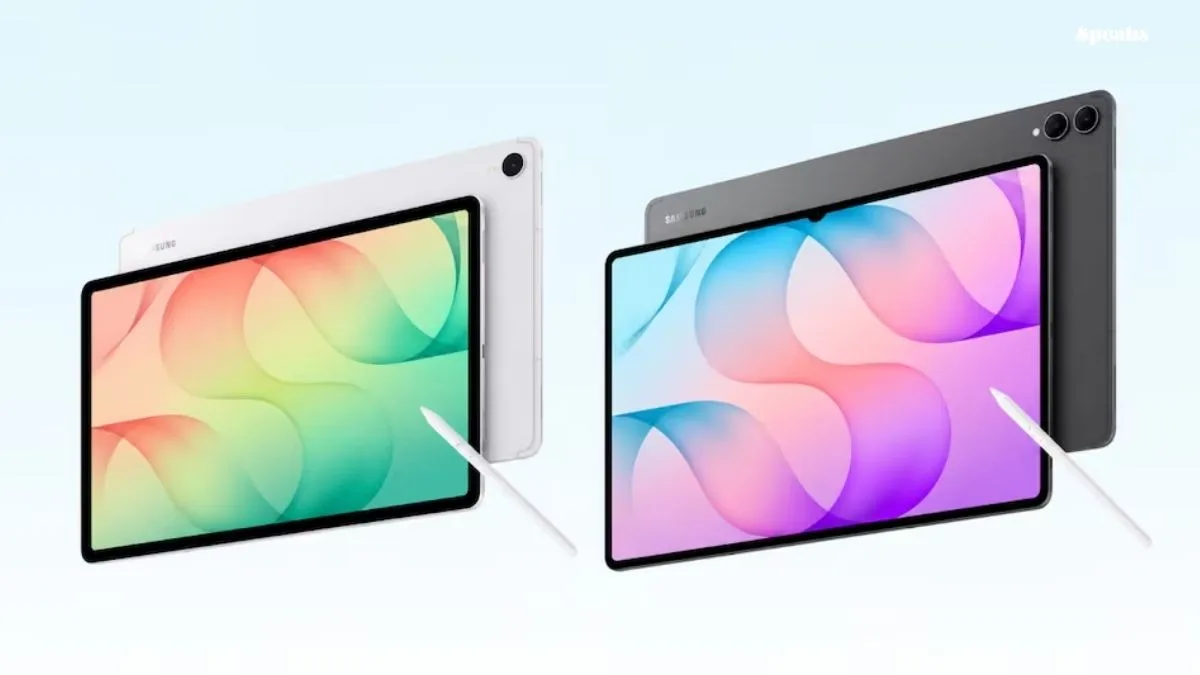
Folding phones have improved a lot over the past few years. The large screen, multitasking capability and foldable design make them stand out from other smartphones. Because of this, the question is now whether the foldable phone can fulfill the need of a small tablet as well? Especially since many of today’s book-style foldable phones offer about 8 inches of screen when opened. That is, their screen has become very close to a small tablet.
The difference is diminishing in terms of screen
Book-style foldable phones come closest in this regard. For example, the iPad Mini has an 8.3-inch screen, while foldable phones like the Pixel 11 Pro Fold and Galaxy Z Fold 8 Ultra have internal screens around 8 inches, while the iPhone Duo has a 7.6-inch screen. In such a situation, the difference between foldable phones and small tablets in terms of screen size has become much smaller than before.
The biggest feature of the foldable phone is that it can be closed and used like a normal smartphone. When needed, a larger screen is available as soon as you open it. This means that for many people, the need to separate phones and small tablets may be reduced.
Mobile data can also be saved
Another advantage of foldable phones is mobile connectivity. The phone is already connected to the mobile network, so there is no need for a separate connection to use the Internet. Through this, tasks like calls, messages, internet, watching videos, gaming and browsing on the big screen can be done from a single device.
Its benefits can be felt even more during travel. The user does not need to worry about frequent hotspots or providing separate connections to access the internet from phone to tablet.
But for long work, the tablet is still more convenient.
However, this does not mean that foldable phones can replace tablets in every respect. If the tablet is used for long work, video editing, graphic design, viewing large documents, or working on multiple apps simultaneously, a tablet with a larger screen may be more convenient.
It’s possible to run two or three apps simultaneously on a foldable phone, but working on the small screen for long periods of time won’t be comfortable for everyone. Apart from this, using the phone continuously on the big screen can also increase the battery consumption.
Foldable phones still have some drawbacks
There are also some compromises to be made with the foldable design. It has additional technologies like hinges and folding screen, which can increase the price of the phone. Many foldable phones are also slightly thicker and heavier than regular smartphones. At the same time, fold creases may appear on the inner screen in some situations.
Even the software is not able to take full advantage of the big screen every time. Some apps aren’t quite ready for foldable screens. In such a case, after opening the app, its interface is drawn only on the big screen.
Who is a foldable phone suitable for?
If you mainly use a tablet for light tasks like watching videos, accessing social media, browsing the internet, playing games or reading while traveling, a foldable phone may be a good option for you.
The advantage is that you don’t need to carry two separate devices, phone and tablet. The same device can be used as a phone or a large screen device as needed. At the same time, if your tablet is an essential part of your work and you do editing, document, design, or other productivity-related work on it for long periods of time, having a separate tablet may be more practical.
Overall, a foldable phone can perform the functions of a small tablet to a great extent, but it is not a perfect tablet alternative for every user. Before buying, it is important to see what kind of work you will be using the tablet for.
Trump’s big responsibility for AI companies is to keep an eye on the technology themselves